
 Español
 English
 Français
 Português
 Deutsch
 Italiano
AI and Video Game Worlds: Why Perfect Generation Remains Elusive
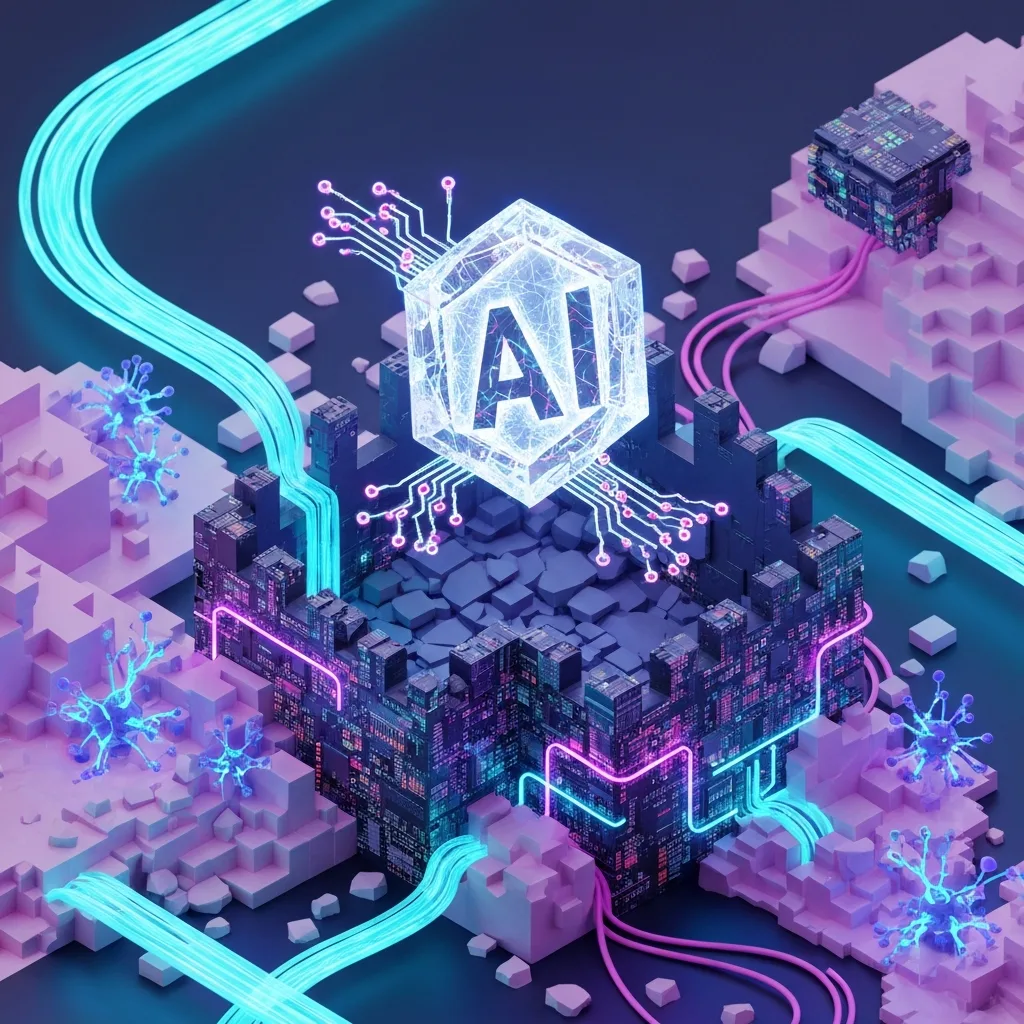
The dream of AI autonomously generating vast, engaging video game worlds is a recurring theme in tech discussions. However, a closer look reveals significant hurdles, suggesting that true AI-driven world creation may be further off than many anticipate. While AI has made impressive strides in various fields, its application to crafting believable and fun game environments presents unique challenges.
For decades, video game developers have employed procedural generation techniques to create worlds. Games like Minecraft, with its randomly generated landscapes, and classic roguelikes, which dynamically assemble levels, demonstrate the power of algorithms in world-building. However, these systems rely on carefully crafted rules and parameters established by human developers. The human element is crucial in defining the aesthetic, ensuring playability, and maintaining a consistent game feel.
Generative AI, with its ability to learn from vast datasets and create novel outputs, initially seemed like the next logical step. Imagine an AI capable of understanding player preferences and generating personalized worlds on the fly! However, the reality is more complex. Current AI models often struggle with consistency and coherence when applied to large-scale world generation. They might create visually interesting landscapes, but lack the narrative depth, strategic placement of resources, or carefully designed challenges that make a game world truly engaging. The limitations stem from several factors. Firstly, AI models require massive amounts of training data to understand what constitutes a "good" game world. This data needs to encompass not only visual elements but also gameplay mechanics, narrative structures, and player psychology. Gathering and curating such a comprehensive dataset is a monumental task. Secondly, current AI struggles with long-term planning and maintaining consistency across vast environments. A randomly generated forest might look beautiful, but it might be devoid of resources, strategically disadvantageous, or simply not fit within the overall narrative of the game. Furthermore, player agency and emergent gameplay are key aspects of successful game worlds. Procedural generation algorithms, designed by humans, can anticipate player behavior and create systems that allow for unexpected and engaging interactions. It is difficult for current AI to anticipate and cater to the full spectrum of player actions, potentially leading to frustrating or unfulfilling experiences.
Hardware Pick
NVIDIA GeForce RTX 5090

While AI is unlikely to completely replace human game developers in the near future, it can still play a valuable role in the game development pipeline. AI-powered tools can assist with tasks such as generating textures, creating variations of existing assets, and even suggesting level layouts. However, the overall design and direction of the game world will likely remain in the hands of human creators, at least for the foreseeable future. The perfect AI-generated video game world, seamless and endlessly engaging, remains an ambitious, perhaps even unattainable, goal.