
 Español
 English
 Français
 Português
 Deutsch
 Italiano
AI Code Revolution: Everyone's a Coder Now?
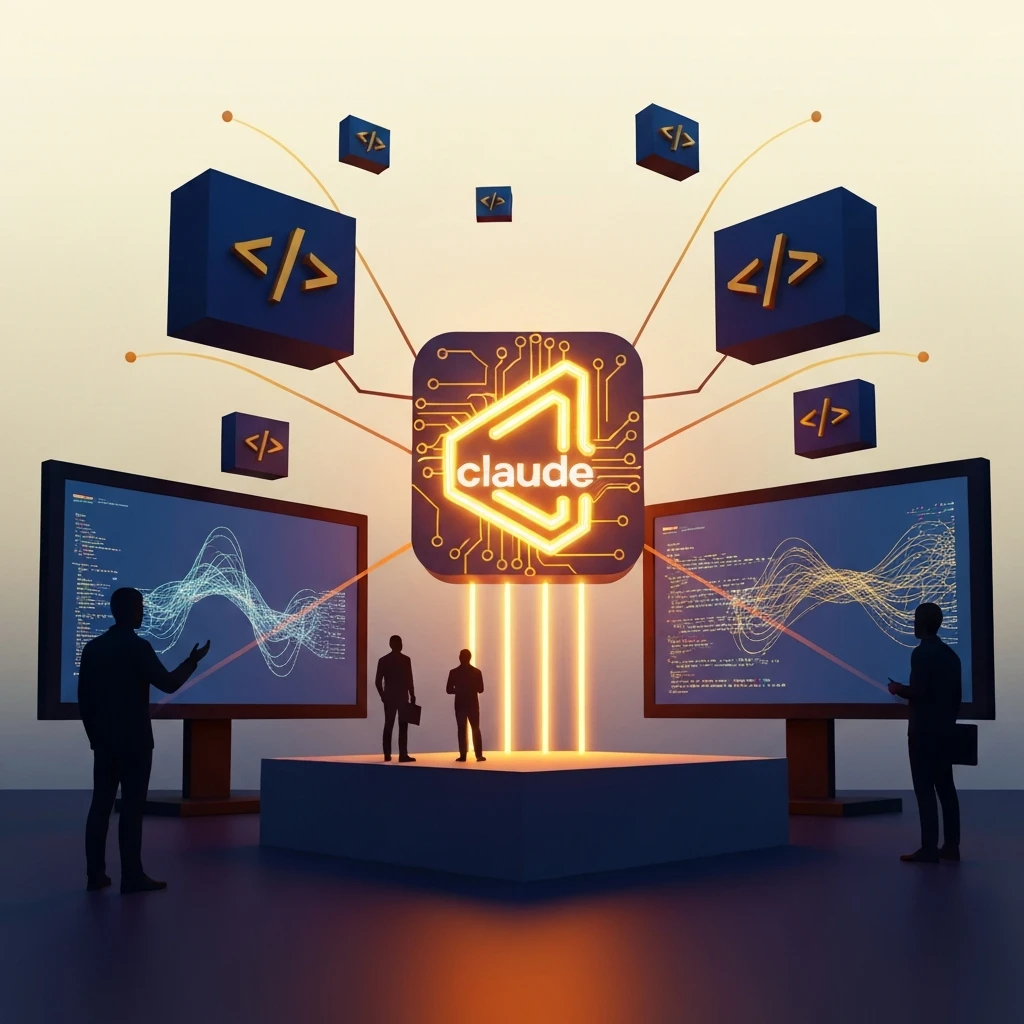
The world of software development is undergoing a seismic shift. It feels like overnight, coding has become democratized, accessible to a wider audience than ever before. This isn't necessarily because more people are mastering traditional programming languages, but rather due to the rise of AI-powered coding tools and platforms. It appears many are engaging with code, perhaps through user-friendly applications, making the act of creation more approachable.
But this transformation extends beyond just accessibility. Even for experienced software engineers, the nature of their work is evolving. The traditional image of a coder hunched over a keyboard, writing lines of code for hours on end, is being replaced by a role that's more about orchestration and management. Developers are increasingly finding themselves managing AI agents and overseeing projects, rather than writing every single line of code themselves.
This raises some fundamental questions about the future of coding and the role of the coder. What does it mean to be a software developer in a world where AI can generate code? Is the skill of writing code becoming less important than the ability to effectively manage and direct AI-powered tools? Are we entering an era where 'coding' is more about prompting and refining AI output than crafting algorithms from scratch?
The implications are far-reaching. For aspiring developers, the focus may need to shift towards understanding AI algorithms, prompt engineering, and project management skills. The ability to effectively communicate with and guide AI coding tools will likely become a crucial asset. For established developers, adapting to this new landscape will require embracing AI and learning how to integrate it into their workflows.
This shift also has implications for the quality and security of code. While AI can generate code quickly and efficiently, it's important to ensure that the generated code is robust, secure, and meets the specific requirements of the project. This will require careful review and testing, highlighting the continued importance of human oversight and expertise.
Ultimately, the future of code is likely to be a hybrid approach, where humans and AI work together to create software. AI can handle the repetitive and time-consuming tasks, freeing up human developers to focus on the more complex and creative aspects of software development. This collaboration has the potential to unlock new levels of innovation and efficiency, but it also requires a fundamental shift in how we think about coding and the role of the coder. The rise of AI in coding presents both exciting opportunities and potential challenges, and it's crucial to understand and adapt to this evolving landscape.