
 Español
 English
 Français
 Português
 Deutsch
 Italiano
AI Rocks the Ice: Tech Revolutionizes Olympic Curling
The upcoming Winter Olympics in Italy are already generating buzz, not just for the athletes, but for the increasing role of technology in the ancient sport of curling. While disputes over human error have always been a part of the game, a new era is dawning where algorithms and AI are taking center stage, raising both excitement and concern.
Traditionally, curling has been a sport deeply rooted in trust, sportsmanship, and the nuanced skill of reading the ice. However, recent advancements in machine learning and robotics are challenging these core tenets. The controversy began when a disputed double-touch sparked intense debate, highlighting how even the slightest perceived infraction can disrupt the spirit of the game. But the real disruption may come not from human fallibility, but from the cold precision of artificial intelligence.
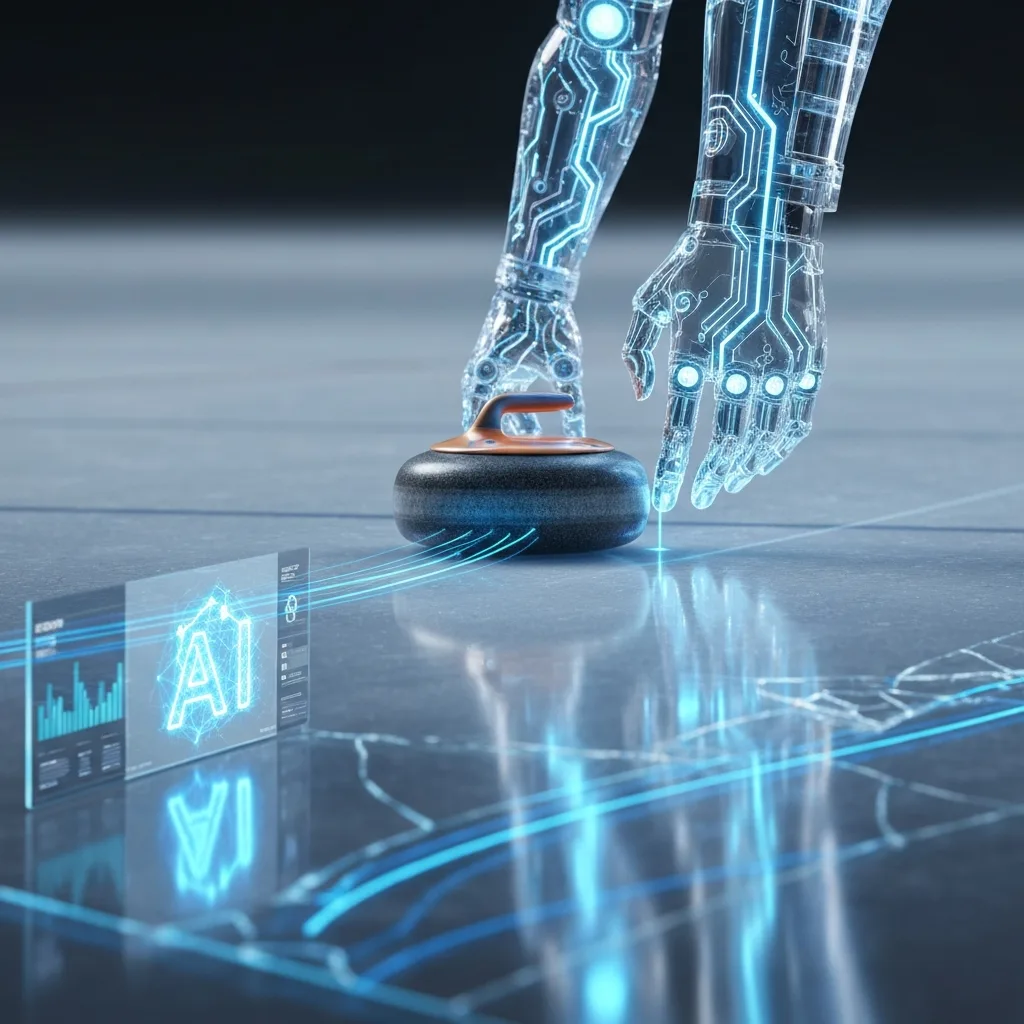
Imagine a world where robots can not only throw stones with perfect consistency but also analyze ice conditions with unparalleled accuracy and calculate optimal strategies in real-time. This is no longer a futuristic fantasy. AI-powered robots are already being developed and tested, some even capable of defeating elite human curlers in head-to-head competitions.
These robots are engineered in different ways. Some are designed to mimic the biomechanics of human shot delivery, while others take a completely different approach, leveraging sensors and algorithms to achieve maximum precision and control. They represent a new generation of sports technology that promises to enhance performance and strategy.
One particular robot, nicknamed “Curly,” has demonstrated the potential of AI in curling by outperforming experienced human players. Such successes naturally raise questions about the future of the sport. Will human skill and intuition be replaced by algorithmic precision? Will the emphasis shift from individual talent to technological advantage?
The integration of AI in curling presents both opportunities and challenges. On one hand, it could lead to a deeper understanding of the game, optimized training methods, and more exciting competitions. On the other hand, it raises concerns about fairness, accessibility, and the very essence of what makes curling a unique and cherished sport. As technology continues to evolve, the curling community will need to grapple with these questions and find a way to embrace innovation while preserving the values that have defined the sport for centuries. The upcoming Winter Olympics may well be a turning point, showcasing the power of AI and sparking a crucial conversation about the future of curling.