
 Español
 English
 Français
 Português
 Deutsch
 Italiano
AI's Energy Needs Clash with Relaxed Pollution Standards
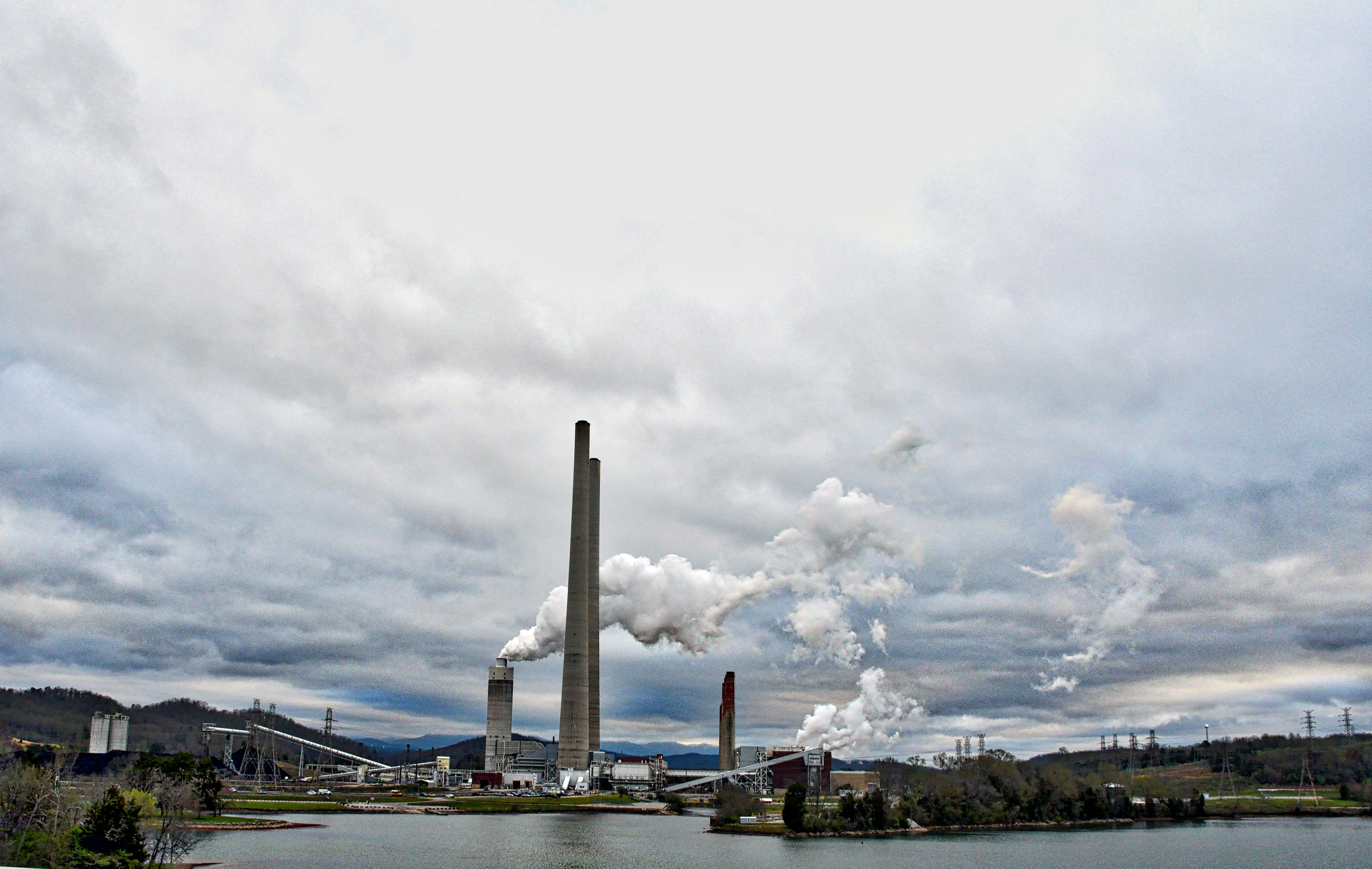
The increasing energy demands of artificial intelligence are creating a complex challenge, particularly as environmental regulations face significant rollbacks. Recent policy changes are impacting pollution standards for coal-fired power plants at a time when electricity consumption is on the rise, fueled by the rapid expansion of AI data centers. This confluence of factors raises serious concerns about public health and environmental sustainability.
Specifically, the previous administration eliminated restrictions on mercury and other hazardous pollutants emitted by power plants. This action effectively repealed the Mercury and Air Toxics Standards (MATS), implemented to curb emissions of dangerous substances. These standards were particularly relevant for coal plants, which contribute significantly to mercury pollution in the United States. Coal-burning power plants are responsible for approximately half of the mercury emissions nationwide.
Mercury is a potent neurotoxin, and exposure, even at relatively low levels, can have severe health consequences. High exposure levels are linked to developmental issues in children, including birth defects and learning disabilities. Mercury exposure can also damage the kidneys and nervous system in adults. The previous regulatory framework aimed to mitigate these risks by requiring power plants to implement technologies and practices to reduce mercury emissions.The motivation behind easing these regulations seemingly revolves around facilitating the construction and operation of power plants, potentially boosting energy production. However, this approach clashes directly with the growing need for cleaner energy sources, particularly as the AI industry continues its exponential growth. AI models and data centers require substantial amounts of electricity to operate, placing a strain on existing infrastructure and increasing demand for new energy sources. Without robust environmental safeguards, meeting this demand with dirtier energy sources like coal could exacerbate pollution problems and undermine efforts to combat climate change.The long-term implications of these policy shifts are significant. While the immediate impact may be increased energy production, the potential costs to public health and the environment are substantial. Finding a sustainable path forward requires balancing the energy needs of the rapidly evolving AI landscape with the imperative to protect air and water quality and reduce the impact of pollution on vulnerable communities. Innovation in energy efficiency, investment in renewable energy sources, and responsible environmental stewardship are crucial to ensure a healthy and sustainable future.