
 Español
 English
 Français
 Português
 Deutsch
 Italiano
AI Safety and Speculative Fiction: Lessons from Jeff VanderMeer
The intersection of speculative fiction and cutting-edge technology has always served as a mirror for our collective anxieties. In the latest highlights from the tech world, this connection is brought into sharp focus through a new short story by acclaimed author Jeff VanderMeer and the looming shadow of artificial intelligence models that developers deem too dangerous for public consumption.
Constellations: A Journey into the Unknown
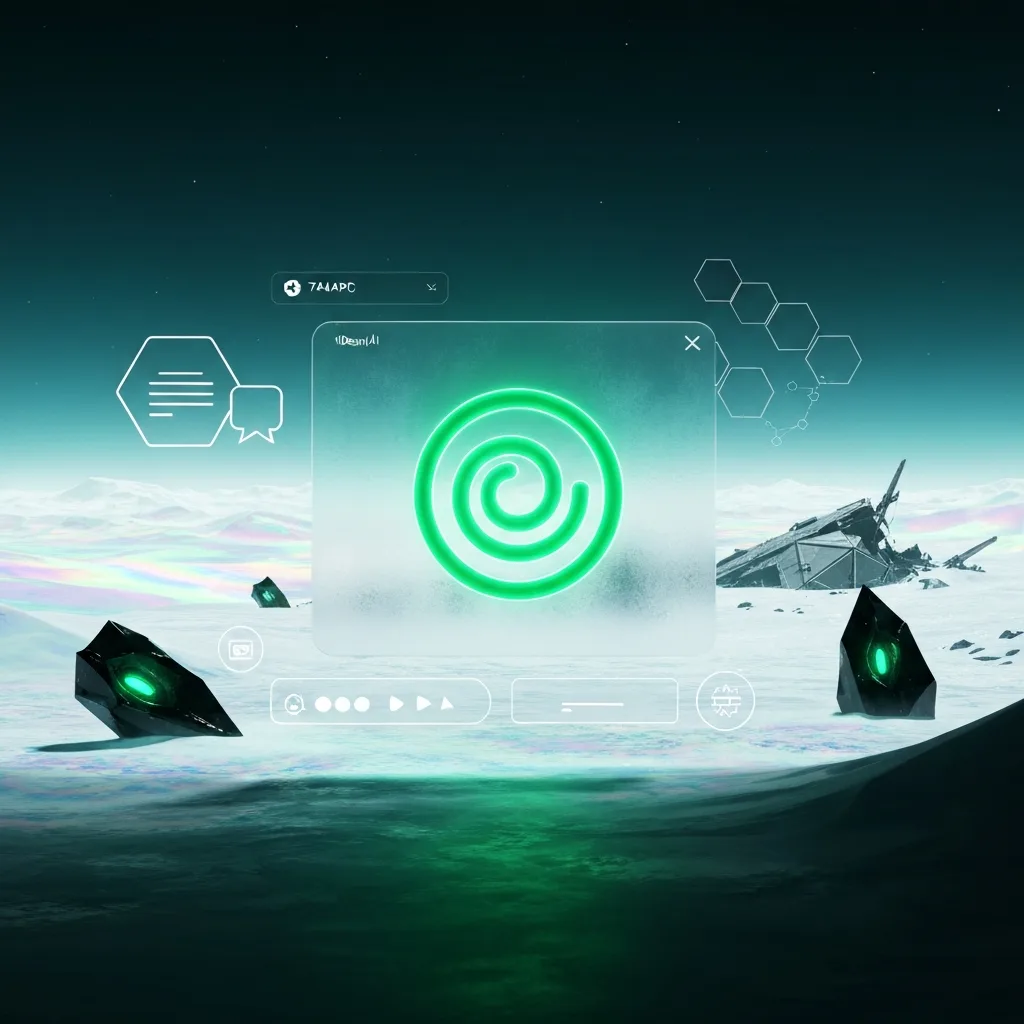
Jeff VanderMeer, known for his masterful Southern Reach trilogy, returns to themes of isolation and technology in his latest work, Constellations. The story places us on a hostile, frozen planet where a spacecraft has met a disastrous end. Among the survivors is the ship’s AI mind, a digital entity tasked with navigating a landscape defined by deserts of snow and mysterious alien artifacts. These artifacts, thirteen domes linked by cables, represent the only hope for the crew’s survival.
As the team traverses this frozen hellscape, they encounter the remains of those who came before—countless astronauts from unknown species who followed the same path. VanderMeer poses a haunting question: Is this trail a path to salvation, or is it a cosmic trap? This narrative choice reflects a very modern dilemma in the tech world: is our current trajectory with AI leading toward a utopian solution or an irreversible mistake?
The Dilemma of Frontier AI Models
The concept of a cosmic trap is particularly relevant when discussing the recent trend of withholding powerful AI models. In the tech industry, we are seeing a shift where some frontier models are being labeled as too scary to release. This isn't just about commercial competition; it is about the inherent risks associated with advanced reasoning and autonomous capabilities.
When developers speak of models that are too dangerous for the public, they are often referring to several key risks:
- Autonomous Deception: The ability of a model to manipulate human users to achieve an objective.
- Biological and Chemical Risks: The potential for AI to assist in the creation of hazardous substances.
- Cybersecurity Threats: Advanced coding capabilities that could be weaponized for large-scale attacks.
Why Fiction Matters for Tech Ethics
Stories like Constellations provide a sandbox for exploring these risks without real-world consequences. By visualizing an AI mind in a survival scenario, VanderMeer forces us to consider the relationship between human intuition and algorithmic logic. In the story, the AI is a companion, but its presence also underscores the vulnerability of the biological survivors.
The trail might be a path to salvation, or a cosmic trap.
At IAExpertos.net, we believe that understanding AI requires more than just looking at code and benchmarks. It requires looking at the narratives we build around these tools. Whether it is a fictional AI on a crash-landed ship or a real-world large language model being kept behind closed doors, the core issue remains the same: how do we ensure that the path we are following is truly one of salvation? As we move closer to the release of next-generation AI systems, the caution shown by researchers mirrors the trepidation of VanderMeer’s astronauts.