Español
 English
 Français
 Português
 Deutsch
 Italiano
Altman in the Spotlight: Accusations of Deception in the OpenAI Trial
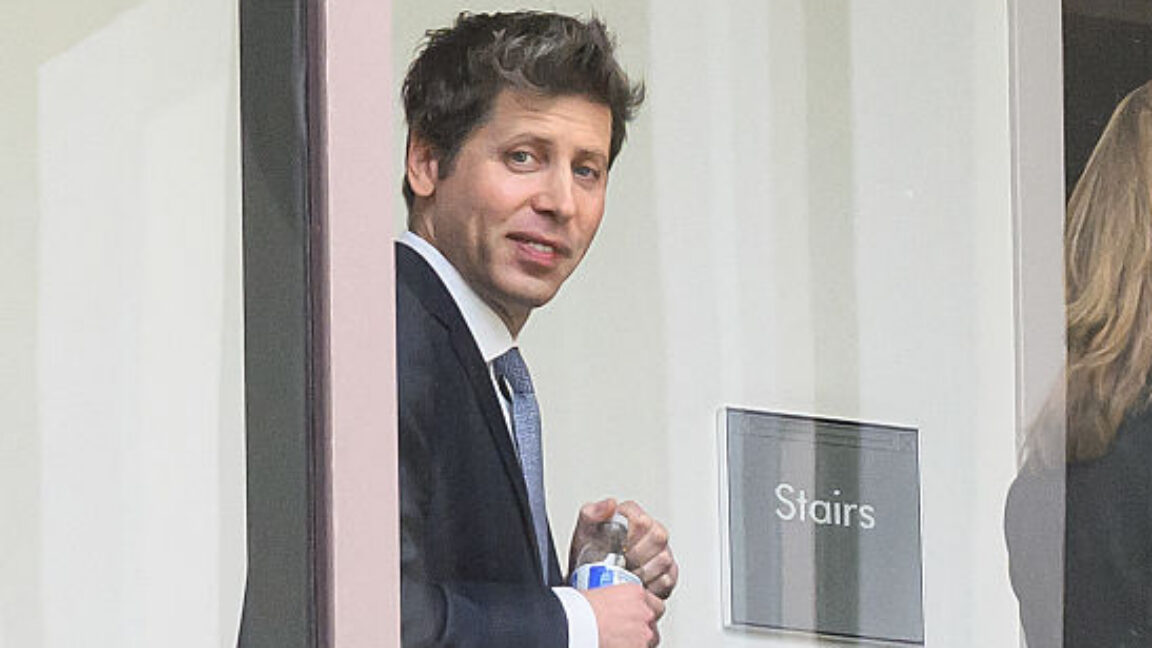 AI-generated
1. The Judicial Drama Defining the Future of AI
May 2026. The halls of justice echo with a litigation that could redefine the landscape of artificial intelligence. The OpenAI trial, a legal saga between tech titans, has reached a critical point, with Elon Musk and Sam Altman, central figures in the company's creation and evolution, facing each other on the stand. This case is not merely a corporate dispute; it is a battle for the vision, ethics, and control of technologies as momentous as GPT-5.5.
Musk's lawsuit alleges that OpenAI, under its current leadership, has betrayed its foundational mission to develop AI for the benefit of humanity, shifting towards a for-profit model that, according to him, seeks to enrich individuals like Altman. The implications of this trial are colossal: it will determine who leads OpenAI, where its research funds come from, and who will benefit from its boldest innovations.
2. Musk on the Stand: Three Days of Crossfire
Elon Musk, the plaintiff, endured an exhausting interrogation for three days on the stand. His testimony was marked by moments of palpable tension, where, according to observers, he occasionally lost his composure. William Savitt, OpenAI's lawyer, dedicated himself to dismantling Musk's claims, particularly the accusation that OpenAI executives, in collusion with Microsoft, "stole a charity" after allegedly deceiving Musk into donating $38 million in initial funding.
Savitt, with surgical precision, questioned Musk's narrative, attempting to demonstrate inconsistencies and hidden motivations behind his lawsuit. OpenAI's defense seeks to paint Musk as a resentful entrepreneur, perhaps jealous of the company's success without his direct control, and whose accusations lack solid foundation beyond his own interpretation of the foundational agreements. The intensity of Musk's interrogation underscored the gravity of the accusations and OpenAI's determination to vehemently refute them.
3. Altman: Tense Calm and the Shadow of Credibility
On Tuesday, the atmosphere changed drastically with Sam Altman's appearance. Unlike Musk's ordeal, Altman did not face such an aggressive interrogation from Musk's lawyer, Steven Molo. Although initially somewhat nervous, Altman quickly regained his composure, projecting an image of calm and control. In approximately four hours, he presented his version of events, discussing the evidence that, he hopes, will disprove Musk's claims.
However, the apparent tranquility of his testimony does not dispel the seriousness of the underlying accusations. The title of this article is no coincidence: Altman is implicitly forced to confront the plaintiff's claims, which paint him as someone who has been "a prolific liar" in his management and in the reorientation of OpenAI. Although Molo did not corner him with the same ferocity as Savitt did Musk, Musk's legal strategy seeks to undermine the credibility of Altman and the current leadership of OpenAI, presenting his testimony as part of a narrative of deception and disloyalty to the original mission.
Allegations of Deception and Altman's Defense
Musk's accusations go beyond a simple breach of contract; they suggest deliberate manipulation and an abandonment of fundamental ethical principles. For Altman, refuting these claims means not only defending OpenAI's strategic decisions but also his own personal and professional integrity. His defense focuses on demonstrating that OpenAI's evolution, from a purely non-profit entity to its current structure with a for-profit arm, was a necessary adaptation to secure the funding and resources required to develop cutting-edge AI, such as the acclaimed GPT-5.5, which demands massive investments and unprecedented computing infrastructure.
Altman and his team argue that the mission to "benefit humanity" remains at the core of OpenAI, and that the hybrid structure allows for both necessary funding and ethical oversight. They present evidence that, according to them, demonstrates that Musk was aware of discussions regarding the evolution of OpenAI's business model and that his current objections are retrospective and motivated by other factors.
4. The Impact on the AI Ecosystem
This trial goes beyond a personal confrontation; it is a referendum on the future of AI. If Musk prevails, it could force a return to a purely non-profit model for OpenAI, which could significantly affect its ability to compete with giants like Google and its Gemini 3.1, or Anthropic with its Claude 4.7 Opus, which operate with robust funding models. On the other hand, if Altman and Google win, the hybrid model will be consolidated, setting a precedent for how AI organizations can balance technological ambition with social responsibility.
The AI industry watches closely. The decisions made in this court will influence funding strategies, governance structures, and ethical considerations for the next generation of AI development. Public trust in the leaders and institutions building these transformative technologies is at stake.
5. A Verdict with Historical Consequences
As the trial progresses, uncertainty persists. The credibility of both parties is being examined under a legal and media microscope. Altman's ability to disprove the accusations of having "deceived" the initial founders and collaborators, including Musk, will be crucial. The verdict will not only determine the fate of OpenAI but will also send a clear message about the importance of transparency, integrity, and adherence to the foundational mission in the era of advanced artificial intelligence. The world waits, holding its breath, for the outcome of this battle that will define an era.