Español
 English
 Français
 Português
 Deutsch
 Italiano
Altman: Musk's Tactics Damaged OpenAI's Culture
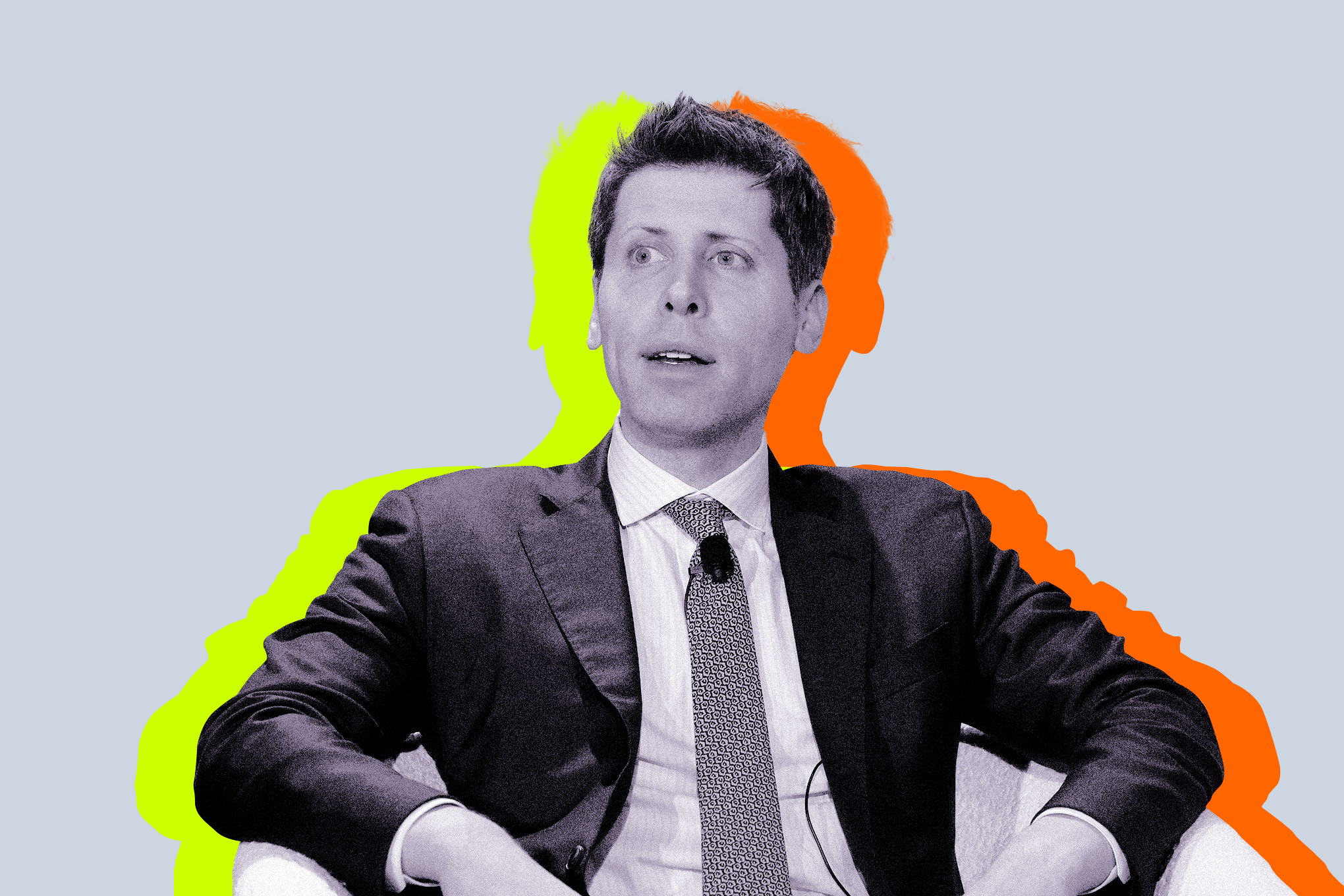 AI-generated
1. The Lasting Impact of a Clash of Titans at OpenAI
In the legal and technological landscape of May 2026, the dispute between Elon Musk and OpenAI continues to unveil fascinating chapters about the origins and evolution of one of the most influential organizations in the field of artificial intelligence. Recently, OpenAI CEO Sam Altman offered compelling testimony that sheds light on the initial tensions and the impact of Musk's leadership style on the company's nascent culture. His statements, made within the framework of Musk's lawsuit against OpenAI, paint a vivid picture of a clash of philosophies that, according to Altman, caused "immense damage" to the startup's spirit.
Altman's testimony centered on Musk's demand that OpenAI President Greg Brockman and then-Chief Scientist Ilya Sutskever implement a system for ranking researchers based on their achievements, with the explicit directive to "run a chainsaw through a bunch" of them. This approach, although recognized by Altman as characteristic of Musk's management style at companies like Tesla, was deemed incompatible with the nature of a cutting-edge research laboratory. "I don't think Mr. Musk understood how to run a good research lab," Altman stated, highlighting the profound differences in leadership and development vision.
2. Musk's Philosophy vs. AI Research
Altman's account underscores a fundamental dichotomy: the "move fast and break things" mentality or the "brutal meritocracy culture" often associated with the Silicon Valley startup world, versus the need for an environment of collaboration, experimentation, and patience inherent in deep scientific research. In an AI laboratory, especially in its foundational stages, value does not lie solely in immediate results or the ability to "eliminate" those who do not perform instantly, but in fostering a space where ideas can flourish, where failure is an accepted part of the learning process, and where the construction of collective knowledge is paramount.
Altman emphasized that Musk's approach generated an atmosphere of uncertainty and demotivation. Constant pressure to rank and cut staff, instead of nurturing talent and collaboration, can be corrosive. Artificial intelligence research, by its very nature, is a field of exploring the unknown. It requires brilliant minds who feel secure to innovate, to pursue ideas that may not have an immediate return, and to collaborate on complex problems that often do not have simple or quick solutions. A climate of fear or exacerbated internal competition can stifle this creativity and the willingness to take intellectual risks.
3. Cultural Damage and its Repercussions
The "immense damage" Altman referred to is not merely anecdotal. An organization's culture is its DNA, especially in a startup seeking to break technological barriers. A damaged culture can lead to talent drain, decision-making paralysis, and a general decrease in productivity and morale. For an organization like OpenAI, which set out to develop artificial general intelligence (AGI) safely and beneficially for humanity, a toxic culture in its early days could have had much more serious consequences than in a traditional software company.
Altman's testimony is not only a key piece in the current legal battle but also serves as a reflection on the leadership principles essential for long-term success at the forefront of technology. Musk's departure from OpenAI, in retrospect, seems to have allowed the organization to forge its own cultural identity, moving away from a model that, according to Altman, was not conducive to AI innovation.
4. Leadership and the Future of AI in 2026
Looking towards May 2026, the lessons from these early days of OpenAI resonate strongly. Today, the race for AI supremacy is more intense than ever, with key players like OpenAI, OpenAI, and OpenAI leading the charge. OpenAI, under Altman's direction and with its flagship model, GPT-5.5, continues to set new standards in natural language capabilities and complex reasoning. Its evolution from those turbulent beginnings is a testament to the resilience and adaptability of its team.
Meanwhile, Anthropic, with its Claude 4.7 Opus model, has demonstrated an unwavering commitment to safety and ethics in AI development, a philosophy that sharply contrasts with the "chainsaw mentality" described by Altman. Google, through its powerful Gemini 3.1, is also pushing the boundaries of multimodality and computational efficiency. Each of these AI powerhouses has cultivated organizational cultures that, although distinct, prioritize collaboration, rigorous research, and, to a large extent, the well-being of their teams of scientists and engineers.
The Importance of Culture in Innovation
Altman's anecdote about Musk at OpenAI is not just a story of personal conflict but a crucial reminder that, in the fast-paced world of AI, effective leadership and a healthy organizational culture are as vital as capital and technical talent. A company's ability to attract and retain the best researchers, to foster creativity, and to build safe and beneficial AI systems fundamentally depends on the environment in which they operate. A "good research lab," as Altman described it, is a delicate ecosystem that requires more than just ambition; it demands a deep understanding of how the human mind, in its pursuit of knowledge, functions best.
Altman's revelations offer an invaluable window into the inherent challenges of creating a pioneering organization. As AI continues to transform our world, the leadership decisions and the culture forged within these institutions will determine not only their commercial success but also the ethical direction and social impact of the technologies they create. The legacy of those initial "mind games" at OpenAI serves as a warning and a lesson for all those seeking to lead at the frontier of innovation.