
 Español
 English
 Français
 Português
 Deutsch
 Italiano
Anthropic Accuses Chinese Firms of Illicit Claude AI Training
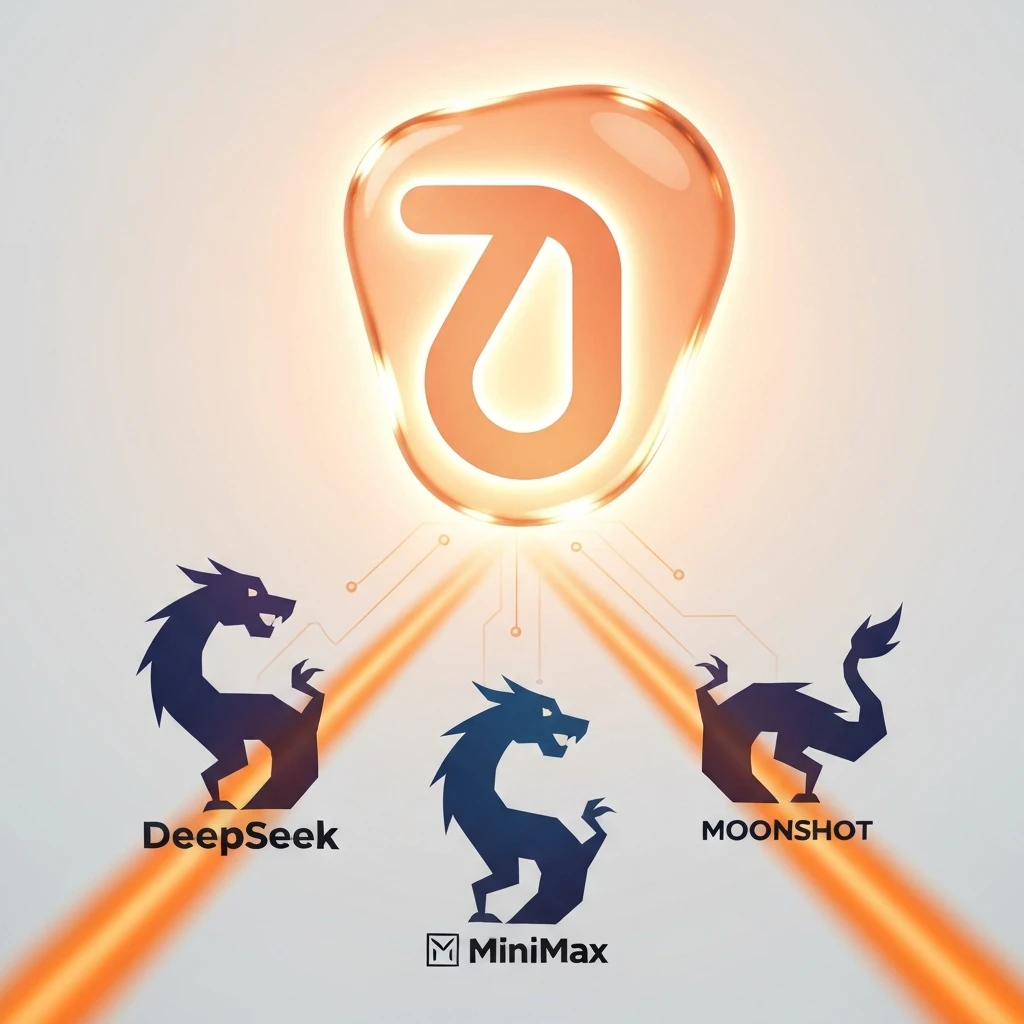
The AI landscape is heating up, not just with innovation, but also with accusations of misuse. Anthropic, a leading AI research company, has publicly accused DeepSeek and two other prominent Chinese AI firms of improperly leveraging its Claude AI model to bolster their own AI development efforts. The announcement, made earlier this week, details what Anthropic describes as “industrial-scale campaigns” designed to extract knowledge and capabilities from Claude.
According to Anthropic, the alleged scheme involved the creation of approximately 24,000 fraudulent accounts. These accounts were then used to engage in over 16 million interactions with Claude, effectively using the model as a training tool for the accused companies' own AI systems. The Wall Street Journal initially reported on the allegations, bringing the issue to broader public attention.
The core of Anthropic’s accusation centers around the concept of "distillation." Distillation, in the context of AI, refers to the process of training a smaller, more efficient AI model using the output and knowledge of a larger, more sophisticated model. While Anthropic acknowledges that distillation is a legitimate and often beneficial training technique, they emphasize that it can also be exploited for illicit purposes. In this case, Anthropic suggests that DeepSeek, MiniMax, and Moonshot allegedly attempted to unlawfully extract Claude’s intelligence to accelerate the development of their own competing AI products.
The specific methods used by these companies to "distill" Claude are not fully detailed, but the sheer scale of the alleged operation – millions of interactions via thousands of fake accounts – points to a systematic and organized effort. This raises serious questions about data ethics, intellectual property rights, and the competitive landscape within the rapidly evolving AI industry.
The implications of this accusation are significant. If proven true, it could lead to legal challenges, reputational damage for the accused companies, and a re-evaluation of the safeguards and security measures employed by AI developers to protect their models from unauthorized use. It also underscores the growing need for clear ethical guidelines and regulatory frameworks to govern the development and deployment of AI technologies, particularly in a globalized market where cross-border collaboration and competition are increasingly common.
This incident highlights the challenges inherent in protecting proprietary AI models and the potential for misuse, even with advanced security protocols in place. As AI becomes increasingly powerful and integrated into various aspects of our lives, ensuring responsible and ethical development practices is more critical than ever. The outcome of this situation could set a precedent for how AI companies protect their intellectual property and how international collaborations are approached in the future.