
 Español
 English
 Français
 Português
 Deutsch
 Italiano
ByteDance's DeerFlow 2.0: Open-Source SuperAgent for Complex Tasks
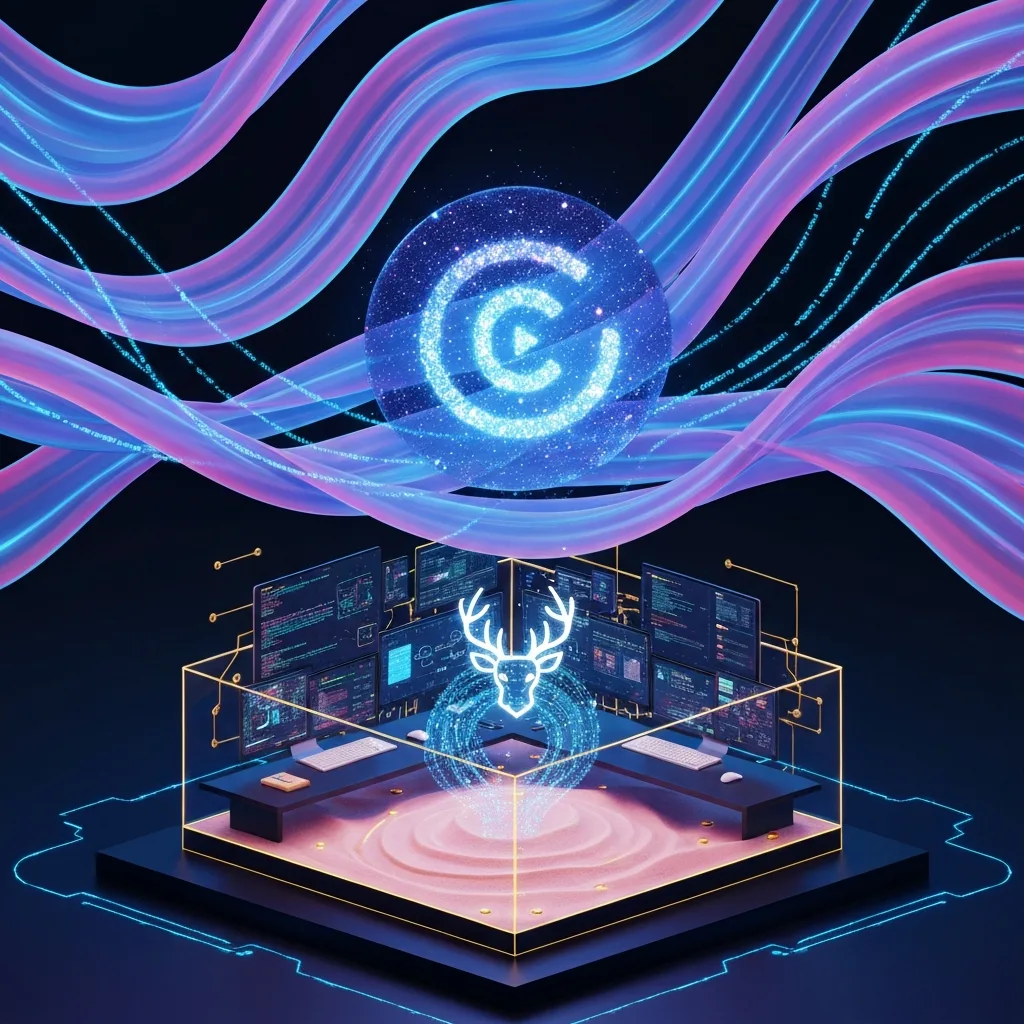
The 'Copilot' era is evolving. While the tech industry has focused on AI assistants that suggest code or draft emails, ByteDance is pushing the boundaries with its latest innovation. The company has released DeerFlow 2.0, a newly open-sourced 'SuperAgent' framework designed to autonomously execute complex tasks. This means moving beyond suggestions and empowering AI to independently research, code, build websites, create presentations, and even generate video content.
DeerFlow 2.0 represents a significant leap forward in AI agent capabilities. It's engineered to handle multifaceted projects with minimal human intervention, opening up new possibilities for automation and efficiency across various industries. The framework's open-source nature also encourages community contributions and accelerates its development.
One of the most distinctive features of DeerFlow is its execution environment. Unlike many AI agents that operate within the confines of a text-based interface, sending queries to APIs and receiving text strings in return, DeerFlow operates within a real, isolated environment. This environment is a Docker container, providing the AI agent with its own dedicated 'computer' to work with.
This approach has profound implications, especially for software developers. It means the AI isn't just generating code; it's actually running and testing it within its isolated sandbox. This drastically reduces the risk of errors and eliminates the need for developers to manually copy, paste, and debug code generated by the AI. DeerFlow can execute scripts, manage dependencies, and handle complex software development tasks within its own environment, ensuring accuracy and reliability.
By providing the AI agent with a dedicated and isolated execution environment, DeerFlow minimizes the risk of unintended consequences and ensures the integrity of the system. This robust architecture allows the AI to experiment, learn, and refine its processes without affecting the host system or other applications. The sandboxed environment also enhances security by preventing the AI from accessing sensitive data or performing unauthorized actions.
DeerFlow 2.0 marks a pivotal moment in the evolution of AI agents. Its ability to autonomously execute complex tasks within a secure and isolated environment sets it apart from traditional AI assistants. As the open-source community embraces and contributes to the DeerFlow project, we can expect to see even more innovative applications and capabilities emerge, further blurring the lines between AI assistance and autonomous execution. This shift has the potential to revolutionize industries and transform the way we work.