Español
 English
 Français
 Português
 Deutsch
 Italiano
Cellular Reprogramming: The Most Promising Approach to Reverse Aging in 2026
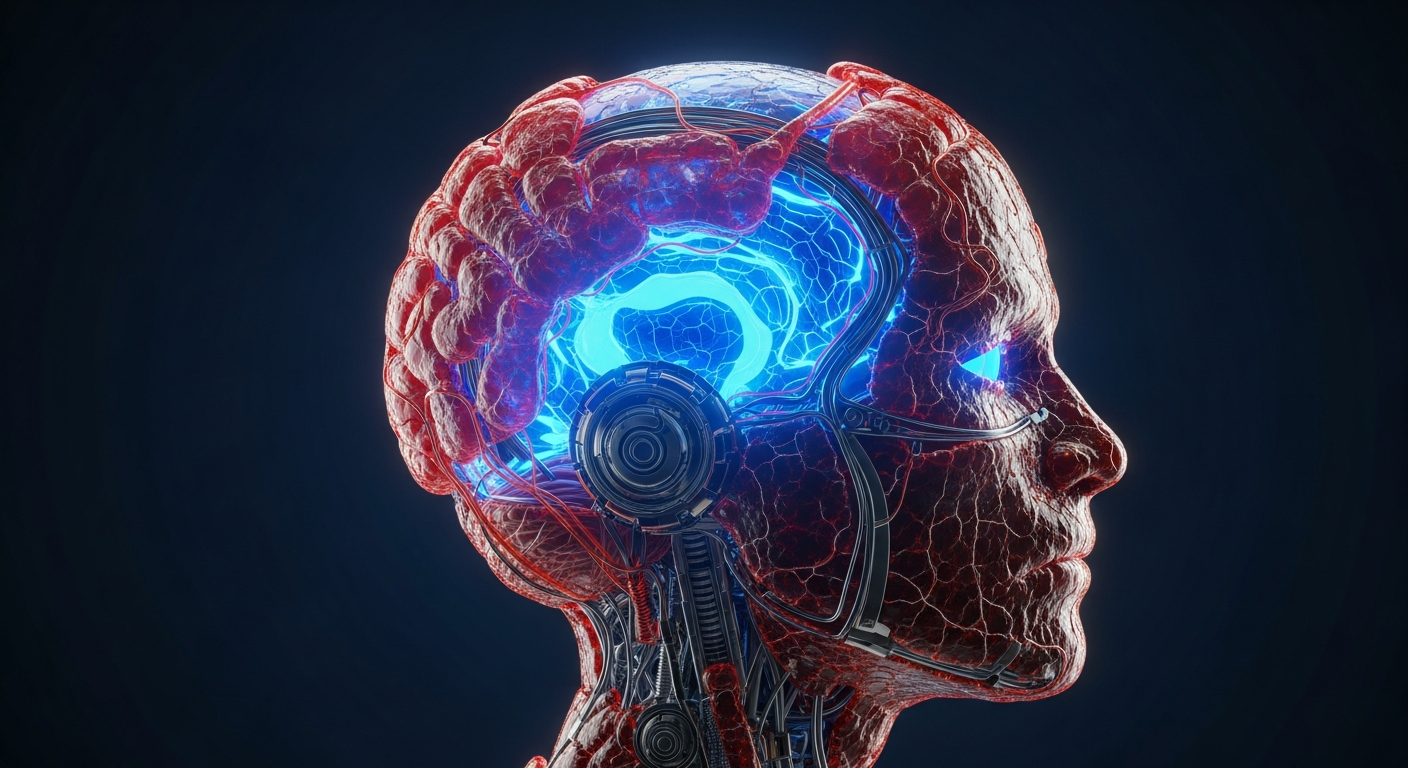 AI-generated
1. Executive Summary
This week, the biotechnology sector has witnessed a significant milestone that underscores the growing prominence of cellular reprogramming as the most promising strategy to combat aging. Life Biosciences, a cutting-edge biotech company, announced the dosing of its first volunteer in a clinical trial. The patient, affected by glaucoma, received an experimental injection directly into the eyeball, with the aim of regenerating healthy nerves and, potentially, restoring vision. This event is not merely an advance in ophthalmology; it is an early and bold validation of the hypothesis that cellular reprogramming can reverse age-related tissue damage, opening the door to a new era in regenerative medicine.
The relevance of this development transcends the treatment of a specific disease. It represents a crucial step towards the clinical application of reprogramming principles that seek not only to repair, but to rejuvenate tissues and organs. The scientific community, venture capital investors, and big pharmaceutical companies are watching closely, aware that success in this field could fundamentally redefine our understanding and treatment of aging. This report delves into the science, industrial impact, ethical implications, and future of this transformative technology, highlighting why reprogramming is, without a doubt, the most relevant approach with the greatest potential impact in the fight against aging at this moment.
This analysis is aimed at strategic investors, biotech opinion leaders, regulators, scientists, and any stakeholder interested in the intersection of technology, medicine, and the future of human longevity. The promise of cellular reprogramming is immense, but so are the technical, regulatory, and ethical challenges that we must address with an informed and critical perspective.
2. In-Depth Technical Analysis
2.1. The Science Behind Cellular Reprogramming
The concept of "reprogramming" in the context of aging refers to the ability to revert a cell's biological state to a younger or less differentiated one. The cornerstone of this field was the work of Dr. Shinya Yamanaka, who in 2006 discovered that the introduction of just four transcription factors (Oct4, Sox2, Klf4, and c-Myc, known as Yamanaka factors or OSKM) could transform adult somatic cells into induced pluripotent stem cells (iPSCs). These iPSCs have the ability to differentiate into any cell type in the body, offering unlimited potential for regenerative medicine.
However, complete reprogramming to iPSCs carries significant risks, such as the formation of teratomas (tumors) and the loss of original cell identity. This is where "partial reprogramming" or "in situ cellular rejuvenation" comes into play. The idea is to apply Yamanaka factors (or variants) transiently or in controlled doses to induce a state of rejuvenation without completely erasing cell identity. This process seeks to reverse the epigenetic "marks" of aging, such as DNA methylation patterns and telomere shortening, which act as biological clocks and contribute to cellular dysfunction.
Life Biosciences' approach to glaucoma is a paradigmatic example of this strategy. Glaucoma often involves the degeneration of retinal ganglion cells and their axons, which form the optic nerve. By injecting an experimental treatment directly into the eye, the company seeks to induce the regeneration of these damaged nerve cells or the creation of new, functional, and young ones. This could involve the delivery of reprogramming factors, genes that activate regenerative pathways, or a combination of both, using viral vectors (commonly adeno-associated viruses or AAV) to introduce the genetic material into the target cells. The goal is not to create iPSCs in the eye, but to "retrain" existing cells or their progenitors to regain youthful and regenerative function.
2.2. Challenges and Advances in Delivery
One of the biggest challenges in cellular reprogramming is the safe and efficient delivery of reprogramming factors to target tissues. Viral vectors, especially AAVs, have proven to be powerful tools due to their ability to infect a wide range of cells and their low immunogenicity profile. However, their use is not without limitations, including limited cargo capacity, production cost, and the possibility of unwanted immune responses, albeit rare. Direct injection into the eye, as in the case of Life Biosciences, is a localized delivery strategy that minimizes systemic exposure and concentrates the treatment where it is needed, which is crucial for delicate organs like the eye.
In parallel, non-viral delivery methods are being developed to overcome these limitations. Lipid nanoparticles (LNPs), popularized by mRNA vaccines, are being explored for the delivery of modified mRNA encoding reprogramming factors. This approach offers advantages such as the absence of genomic integration (reducing the risk of mutagenesis) and potentially more scalable production. Other advances include the optimization of the reprogramming factors themselves, seeking safer and more efficient combinations that require minimal exposure to achieve the desired effect, or the use of small molecules that can activate endogenous reprogramming pathways.
2.3. The Role of AI in Accelerating Research
Artificial intelligence (AI) is an indispensable catalyst in accelerating research in cellular reprogramming and aging. Large language models (LLMs) and advanced generative models such as OpenAI's GPT-5.5, Anthropic's Claude 4.8 Opus and Claude Fable 5, Google's Gemini 3.5 Flash, and Meta's Llama, along with their Chinese counterparts like DeepSeek V4-Pro and Qwen3.7-Max, are revolutionizing bioinformatics and drug discovery. These platforms are capable of analyzing vast genomic, transcriptomic, and proteomic datasets at a speed and scale unattainable by traditional methods.
AI is used to predict complex molecular interactions, identify new reprogramming factors or modulators of aging pathways, and design optimal genetic sequences for viral vectors or mRNA. Furthermore, AI models can simulate cellular and tissue processes, allowing researchers to test hypotheses and optimize reprogramming protocols in a virtual environment before moving to laboratory experiments. This not only reduces research cost and time but also improves the probability of success. AI's ability to process and contextualize global scientific literature also accelerates the identification of new research directions and the synthesis of knowledge, advancing the field at an unprecedented pace.
3. Industry Impact and Market Implications
3.1. A New Paradigm in Regenerative Medicine
The success of cellular reprogramming, even in its initial stages, is forging a new paradigm in regenerative medicine. Traditionally, regenerative medicine has focused on the transplantation of stem cells or cultured tissues. Reprogramming, however, offers the possibility of rejuvenating tissues in situ, that is, within the patient's own body. This eliminates the need for complex transplants, reduces the risks of immunological rejection, and simplifies treatment logistics.
The potential markets are vast and encompass a multitude of age-related diseases. Beyond ophthalmology (glaucoma, macular degeneration), reprogramming could be applied to neurodegenerative diseases such as Parkinson's and Alzheimer's (neuronal regeneration), heart diseases (myocardial rejuvenation), pulmonary fibrosis, osteoarthritis (cartilage regeneration), and dermatological diseases (skin rejuvenation). The long-term vision is that reprogramming could become a systemic therapy for aging itself, not just for its individual manifestations. This represents a multi-billion dollar market, with projections placing the longevity and anti-aging medicine sector on an exponential growth path over the next decade.
3.2. Investment and Competition Landscape
The longevity and cellular reprogramming sector has attracted an unprecedented flow of capital. Companies such as Life Biosciences, Altos Labs (backed by Jeff Bezos and Yuri Milner), Calico (from Alphabet), and Unity Biotechnology are just a few examples of the startups and tech giants investing billions in this area. Venture capital investors are betting heavily on the disruptive potential of these technologies, seeing in them not only the opportunity to treat diseases but also to extend "health" (healthspan) and human lifespan.
Competition is fierce, with multiple research teams and companies exploring different reprogramming factors, delivery methods, and clinical applications. The risks are high, given the experimental nature of the technology and the long timelines for development and regulatory approval. However, the potential rewards are astronomical, driving a global race to be the first to bring successful reprogramming therapies to market. Mergers and acquisitions, as well as strategic collaborations between biotech and big pharma companies, are becoming increasingly common as the field matures.
3.3. Regulatory and Ethical Challenges
The innovative nature of cellular reprogramming presents significant regulatory challenges. Agencies such as the FDA in the U.S. and the EMA in Europe face the task of evaluating the safety and efficacy of unprecedented therapies. The primary concern is long-term safety, including the risk of oncogenesis (tumor formation) if reprogramming is too aggressive or uncontrolled, and potential systemic side effects. Clinical trials must be designed with extreme caution and rigorous monitoring.
Beyond regulatory aspects, the ethical implications are profound. The idea of "reversing aging" raises fundamental questions about human identity, equity in access to these therapies, and the social consequences of a radically extended lifespan. Who will have access to these technologies? Will it create a new divide between the "rejuvenated" and those who are not? How will it affect pension systems, family structures, and social dynamics? These debates must begin now, in parallel with scientific advancement, to ensure that the technology develops responsibly and equitably. The imperative for policymakers and bioethicists is urgent.
4. Expert Perspectives and Strategic Analysis
4.1. The Scientific Consensus and Critical Voices
The general scientific consensus is one of cautious optimism. There is palpable enthusiasm for the transformative potential of cellular reprogramming, especially partial reprogramming, to address age-related diseases at their root. However, caution is a constant. Opinion leaders in the field, such as Dr. Juan Carlos Izpisúa Belmonte (who has conducted pioneering work in in vivo reprogramming), emphasize the need for rigorous research to fully understand the underlying mechanisms and mitigate risks, particularly the risk of cancer and the long-term stability of rejuvenated cells. Translational research, which bridges the gap between the laboratory and the clinic, is seen as fundamental.
Industry analysts and biotechnology experts point out that while the advances are impressive, the scalability and cost of these therapies will be critical factors for their mass adoption. The cost of current gene and cell therapies is prohibitive for many, and reprogramming will not be an initial exception. Large-scale viability will depend on innovation in manufacturing processes and the ability of companies to demonstrate clear clinical and economic value.
4.2. Big Pharma Strategies
Big pharmaceutical companies are adopting diverse strategies to position themselves in this emerging field. Some are investing directly in internal R&D, establishing divisions dedicated to longevity and regenerative medicine. Others prefer a collaborative approach, forming strategic alliances with biotech startups specializing in reprogramming, or acquiring companies with promising technological platforms. The goal is to diversify their product portfolios and secure a position in what is expected to be one of the fastest-growing markets in the coming decades.
The predominant strategy, for now, is to focus on specific age-related diseases (such as Life Biosciences' glaucoma) rather than a "systemic treatment" of aging. This approach allows for a clearer regulatory path and simpler clinical validation. However, the long-term vision is that success in these specific applications will pave the way for broader therapies that address aging as a fundamental biological process.
4.3. The Role of AI in Strategic Decision-Making
Artificial intelligence not only accelerates scientific research but has also become an indispensable tool for strategic decision-making in the biotechnology industry. AI models, such as those offered by Grok 4.3 from xAI or the Llama 4 and Mistral Large 3 models, are used for predictive market analysis, identifying emerging trends, evaluating the competitive landscape, and forecasting the demand for new therapies. They can process regulatory reports, patents, and clinical trial data to identify risks and opportunities.
Furthermore, AI helps optimize R&D portfolios by simulating drug development scenarios and evaluating the probability of success of different reprogramming approaches. This allows companies to allocate resources more efficiently and mitigate risks. AI's ability to synthesize complex information from multiple sources provides business leaders with a crucial strategic advantage in a field as dynamic and high-cost as anti-aging medicine.
5. Future Roadmap and Predictions
5.1. Upcoming Clinical Milestones
The coming years will be critical for cellular reprogramming. The results of Life Biosciences' glaucoma trial, expected in the next 12-24 months, will be a fundamental milestone. Success in ocular nerve regeneration would not only validate the technology but also open the door to expanding trials to other neurodegenerative and ocular diseases. Other companies are expected to advance their own partial reprogramming therapies to the clinical phase, possibly for conditions such as pulmonary fibrosis, heart failure, or even cartilage regeneration in joints.
In the longer term, perhaps in the second half of the decade, we might see the first human trials of systemic reprogramming therapies, albeit with extremely strict control and in very specific populations. These trials would aim to rejuvenate multiple tissues and organs simultaneously, representing the Holy Grail of anti-aging medicine.
5.2. Expected Technological Advancements
Significant advancements are anticipated in delivery technology, with the development of safer and more efficient viral vectors, as well as non-viral methods (such as mRNA nanoparticles or exosomes) that allow for more precise and less immunogenic administration. Research will focus on identifying more specific and controllable reprogramming factors that can induce rejuvenation without the risks associated with the original Yamanaka factors. This could include the discovery of new small molecules or combinations of factors that act more selectively.
The integration of omics technologies (genomics, proteomics, metabolomics) with AI will be key to developing personalized reprogramming therapies. AI models will be able to analyze an individual's unique biological profile to design an optimal reprogramming regimen, maximizing efficacy and minimizing adverse effects. Tissue bioengineering will also benefit, allowing for the creation of rejuvenated organs and tissues for transplantation.
5.3. Long-Term Social Impact
If cellular reprogramming fulfills its promise, the social impact will be profound. A significant extension of human "healthspan" and lifespan would drastically alter global demographics, healthcare systems, economies, and social structures. We could see a redefinition of retirement, a longer-lived workforce, and increased pressure on natural resources. The debate about "immortality" or "radical life extension" would shift from science fiction to an urgent political and ethical discussion.
Society must prepare for these changes, developing ethical and regulatory frameworks that ensure equitable access and responsible implementation of these technologies. Public education about the science and implications of reprogramming will be essential to foster informed dialogue and prevent misinformation.
6. Conclusion: Strategic Imperatives
Cellular reprogramming has solidified its position as the most exciting and potentially transformative pillar in the fight against aging. The recent announcement from Life Biosciences is not just a medical breakthrough, but a clear sign that we are on the cusp of a biotechnological revolution. The ability to "retrain" our own cells to reverse aging damage offers unprecedented hope for treating a myriad of diseases and, ultimately, redefining the human experience.
To capitalize on this potential, several strategic fronts are imperative. Sustained investment in basic and translational research is required, fostering interdisciplinary collaboration among biologists, engineers, AI experts, and clinicians. Regulatory frameworks must evolve to be agile and adaptive, balancing patient safety with the need to accelerate access to innovative therapies. Finally, society as a whole must engage in open and thoughtful dialogue about the ethical and social implications of a longer, healthier life. The imperative is clear: cellular reprogramming is not just a scientific promise; it is a strategic priority for the future of global health.