
 Español
 English
 Français
 Português
 Deutsch
 Italiano
Claude Code Leak Reveals Tamagotchi-Like Feature and Always-On Agent
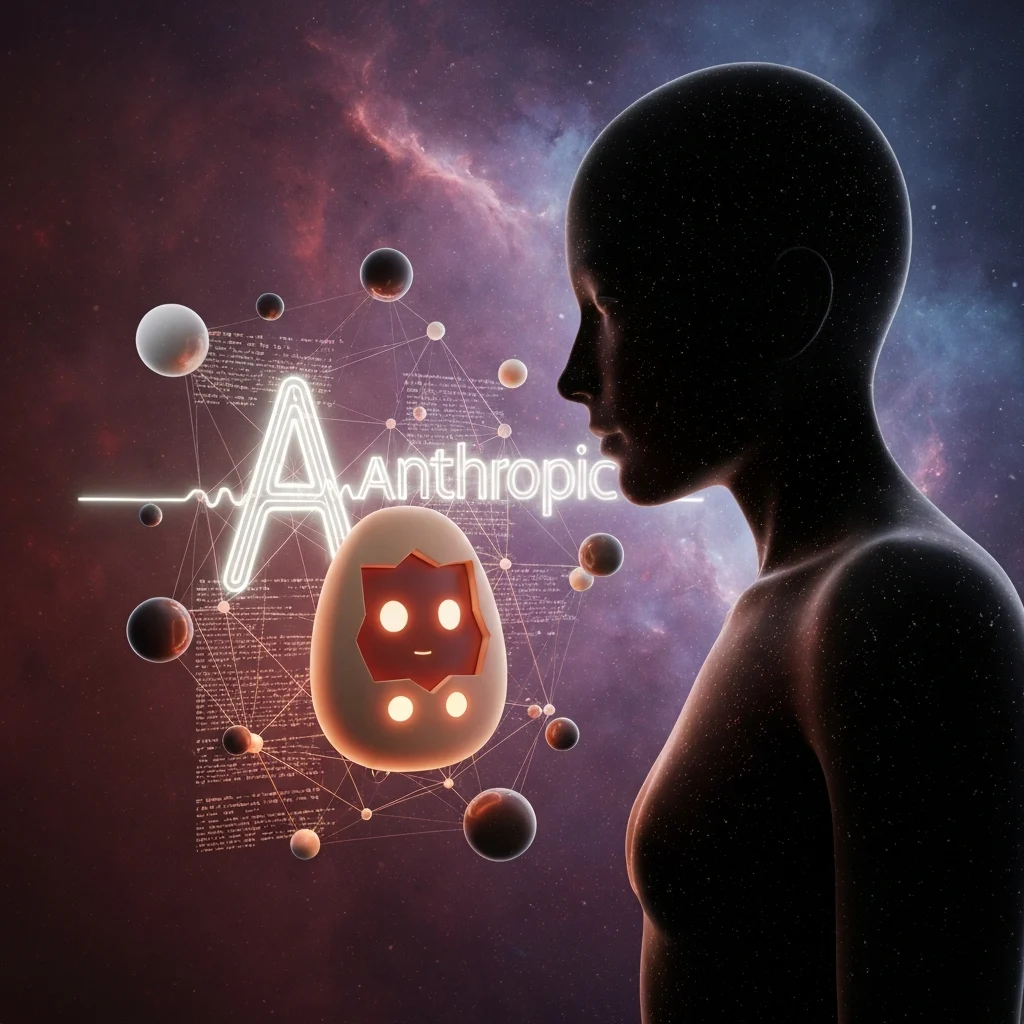
Anthropic's Claude Code, an AI-powered coding assistant, recently experienced an unexpected code leak, offering a glimpse into the platform's inner workings and potential future developments. Following the release of update 2.1.88, users discovered a package containing a source map file that exposed the TypeScript codebase. This accidental exposure has given developers and AI enthusiasts an unprecedented look under the hood.
The leaked data, reportedly containing over half a million lines of code, has been scrutinized by users eager to uncover hidden features and gain a deeper understanding of Claude Code's architecture. Ars Technica and VentureBeat were among the first to report on the incident, highlighting the potential implications for Anthropic and the broader AI community.
One of the most intriguing discoveries is the apparent development of a Tamagotchi-style “pet” feature. While details are still emerging, the code suggests that users may soon be able to interact with a virtual companion within the Claude Code environment. This playful addition could serve to humanize the AI assistant and foster a more engaging user experience. The exact purpose and functionality of this virtual pet remain unclear, but its presence in the codebase hints at a more interactive and personalized approach to AI-assisted coding.
Another significant finding is the potential for an “always-on” agent. This suggests that Claude Code could evolve into a persistent background process, continuously learning and adapting to the user's coding style and preferences. An always-on agent could proactively offer suggestions, identify potential errors, and automate repetitive tasks, significantly enhancing developer productivity. This feature points towards a future where AI assistants seamlessly integrate into the developer workflow, providing continuous support and guidance.
The leak also provides insights into Anthropic's instructions for the AI bot and its “memory” architecture. Understanding how Anthropic programs and trains its AI models is crucial for assessing their capabilities and limitations. The leaked code could potentially reveal the ethical guidelines and safety mechanisms that Anthropic has implemented to prevent misuse and ensure responsible AI development. Furthermore, insights into the memory architecture could shed light on how Claude Code stores and retrieves information, influencing its ability to learn from past interactions and provide context-aware assistance.
While the code leak presents a valuable opportunity for researchers and developers to analyze Claude Code's inner workings, it also raises concerns about security and intellectual property. Anthropic will likely need to address these concerns and implement measures to prevent similar incidents from occurring in the future. The incident serves as a reminder of the challenges and risks associated with developing and deploying complex AI systems, emphasizing the importance of robust security protocols and responsible data management practices. The full impact of this leak remains to be seen, but it undoubtedly provides a fascinating glimpse into the future of AI-assisted coding and the ongoing evolution of language models.