
 Español
 English
 Français
 Português
 Deutsch
 Italiano
Intel and Elon Musk Partner to Build Massive Terafab AI Chip Factory
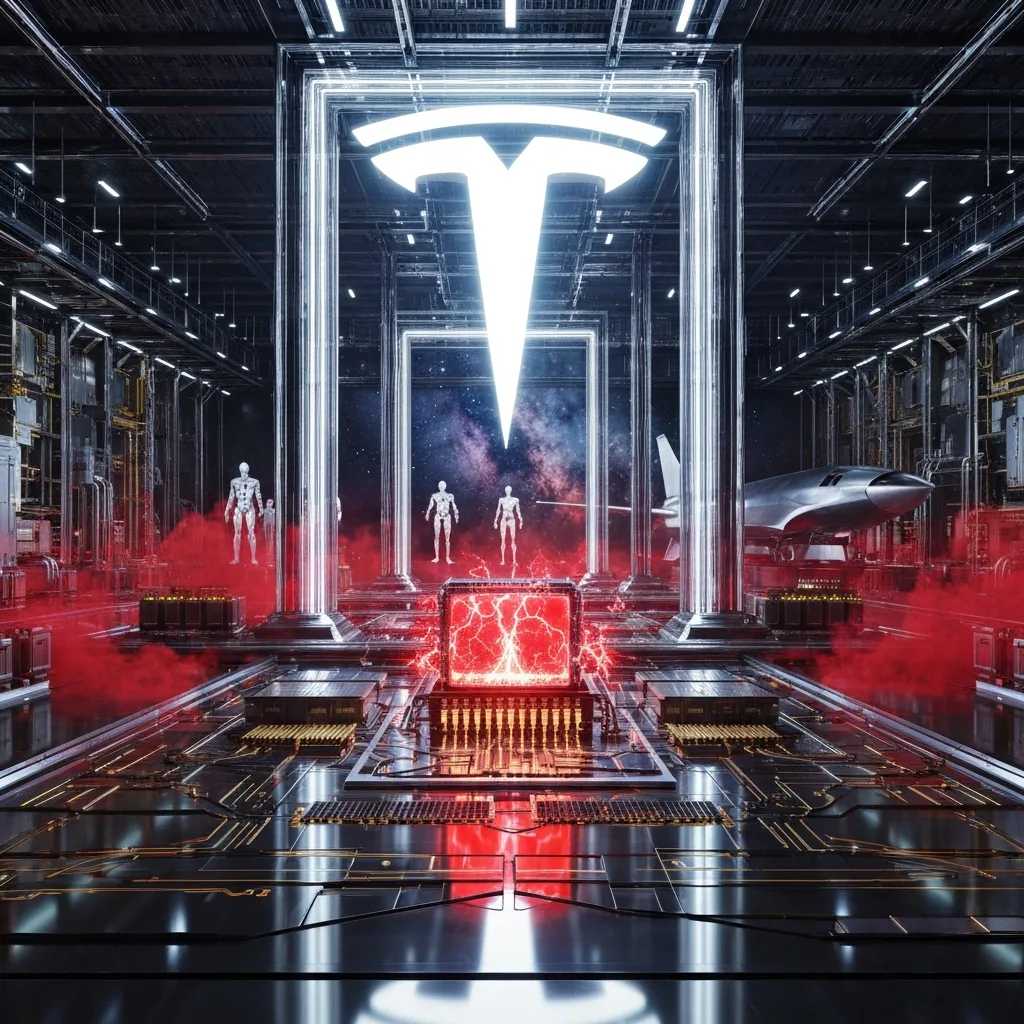
In a move that signals a significant shift in the global semiconductor landscape, Intel has officially partnered with Elon Musk to help design and construct the ambitious "Terafab" AI chip factory in Austin, Texas. This collaboration marks a pivotal moment for both the American chipmaker and Musk’s expanding portfolio of technology ventures, including Tesla and the newly integrated SpaceX and xAI entity.
A Strategic Alliance for Domestic AI Production
The Terafab project is designed to be more than just a manufacturing plant; it is envisioned as a cornerstone of Musk’s long-term strategy to achieve hardware independence. By bringing Intel into the fold, Musk leverages decades of engineering expertise and the massive scale of Intel’s foundry services. The facility’s primary mission is to supply custom AI silicon to power the next generation of autonomous systems and high-performance computing.
For Intel, this partnership represents a major win for its Intel Foundry business, showcasing its ability to compete with global rivals in the high-stakes AI market. As demand for specialized chips continues to outpace supply, the Terafab facility aims to bridge the gap between current production capabilities and the future’s insatiable appetite for processing power.
Powering the Robot Army and Beyond
The implications of this factory extend far beyond simple chip production. Elon Musk’s roadmap involves a massive deployment of AI-driven technology. This includes:
- Tesla’s Autonomous Vehicles: Enhancing the Full Self-Driving capabilities of current and future electric vehicles.
- Humanoid Robots: Providing the computational brains for the Optimus project, which aims to revolutionize labor through robotics.
- Space-Based Data Centers: Supporting SpaceX’s ambitious plans to launch data centers into orbit, ensuring low-latency AI processing for global and interplanetary communication.
With SpaceX reportedly preparing for an initial public offering later this year, the establishment of a robust, domestic supply chain for AI chips adds significant value to the company’s valuation and operational stability. The integration of xAI into the SpaceX structure further emphasizes the need for high-end silicon tailored for large-scale language models and synthetic intelligence.
Bridging the Innovation Gap
The Terafab project is a direct response to the global chip shortages and the geopolitical complexities of semiconductor manufacturing. By building in Texas, Musk and Intel are securing a future where the hardware driving the AI revolution is designed and manufactured on American soil.
Terafab will close the gap between today's chip production and the future's demand.
As we move toward a world populated by intelligent machines and space-faring infrastructure, the synergy between Intel’s manufacturing prowess and Musk’s visionary projects could redefine the technological boundaries of the 21st century. At IAExpertos.net, we will be closely monitoring the progress of the Austin facility and its impact on the broader AI ecosystem.