
 Español
 English
 Français
 Português
 Deutsch
 Italiano
Musk Unveils Terafab: Aims to Build World's Largest Chip Factory
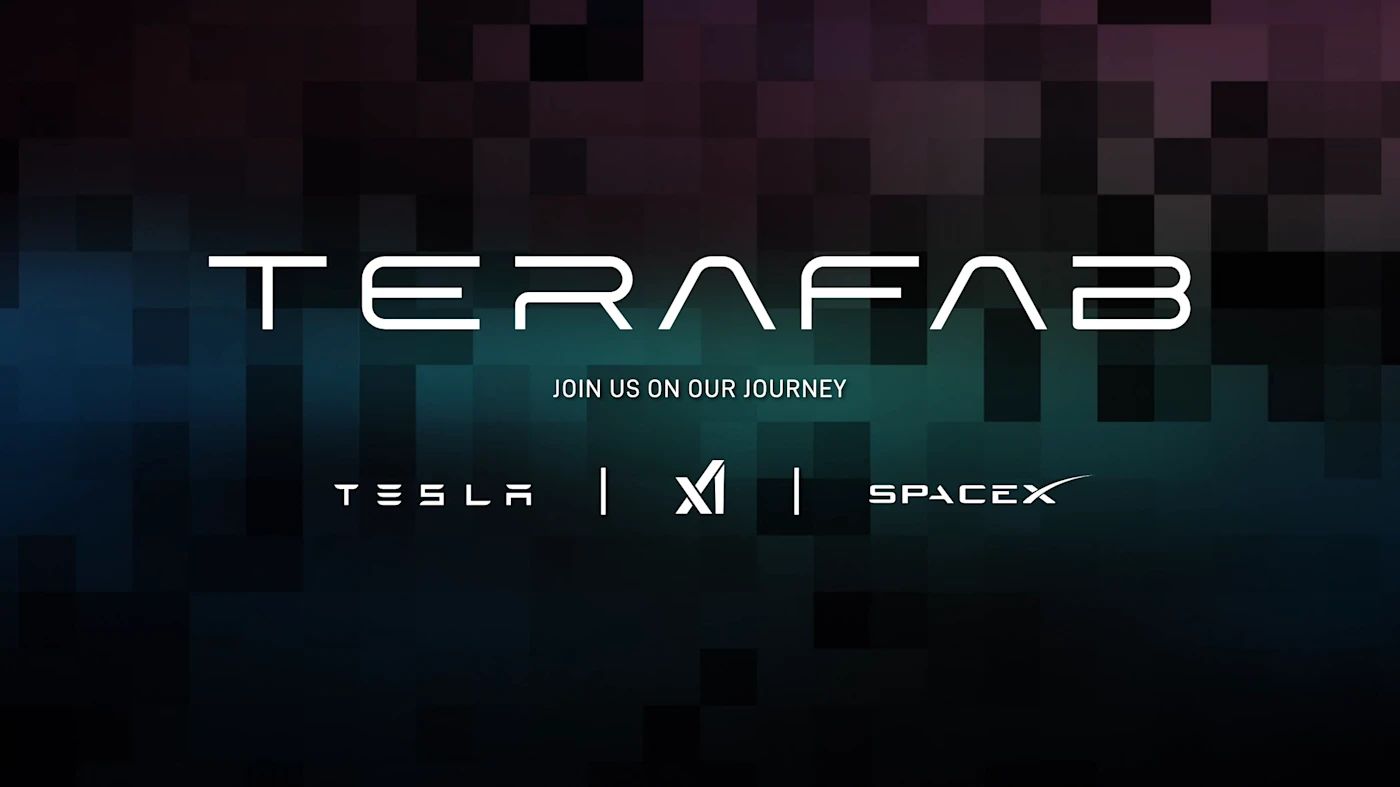
Elon Musk, the CEO of Tesla, SpaceX, and xAI, has announced an ambitious new venture: Terafab. This project, envisioned as a collaborative effort between his three companies, aims to construct what Musk boldly claims will be the “largest chip manufacturing facility ever.”
Announced during a livestream on X, Musk framed Terafab as a critical step toward enabling ambitious future goals, including harnessing solar power and ultimately establishing a “galactic civilization.” The driving force behind this massive undertaking is the rapidly escalating demand for computing power within Tesla, SpaceX, and xAI.
The name “Terafab” itself hints at the project's grand aspirations: to achieve a production capacity of a terawatt of computing power annually. This immense output is intended to directly address the growing semiconductor needs of Musk's various ventures. During the livestream, Musk expressed gratitude towards existing supply chain partners, including industry giants like Samsung, TSMC, and Micron. However, he emphasized that the current global chip manufacturing capacity falls far short of meeting the projected demands of Tesla and SpaceX, estimating it covers only about two percent of their future needs.
Musk stated plainly that the choice is stark: “We either build the Terafab or we don't have the chips. And we need the chips so we're going to build the Terafab.” This statement underscores the strategic importance Musk places on securing a reliable and sufficient supply of advanced semiconductors, vital components for everything from electric vehicles and spacecraft to AI development.
The announcement, while light on specific technical details regarding the facility's planned location, construction timeline, or precise manufacturing processes, signals a significant shift in Musk's approach to supply chain management. By vertically integrating chip manufacturing, Tesla, SpaceX, and xAI aim to gain greater control over their access to critical components and reduce their reliance on external suppliers. This move could also potentially lead to greater innovation and customization of chips tailored specifically to the unique requirements of each company's products and services.
The Terafab project remains in its early stages, and many questions remain unanswered. However, Musk's track record of ambitious engineering feats suggests that the project, while undoubtedly challenging, has the potential to reshape the semiconductor landscape and further accelerate the technological advancements of Tesla, SpaceX, and xAI. The industry will be watching closely to see how this ambitious vision unfolds and what impact it will have on the global chip market and the future of technology.