
 Español
 English
 Français
 Português
 Deutsch
 Italiano
Nvidia Unveils Vera Rubin: A Giant Leap in AI Computing
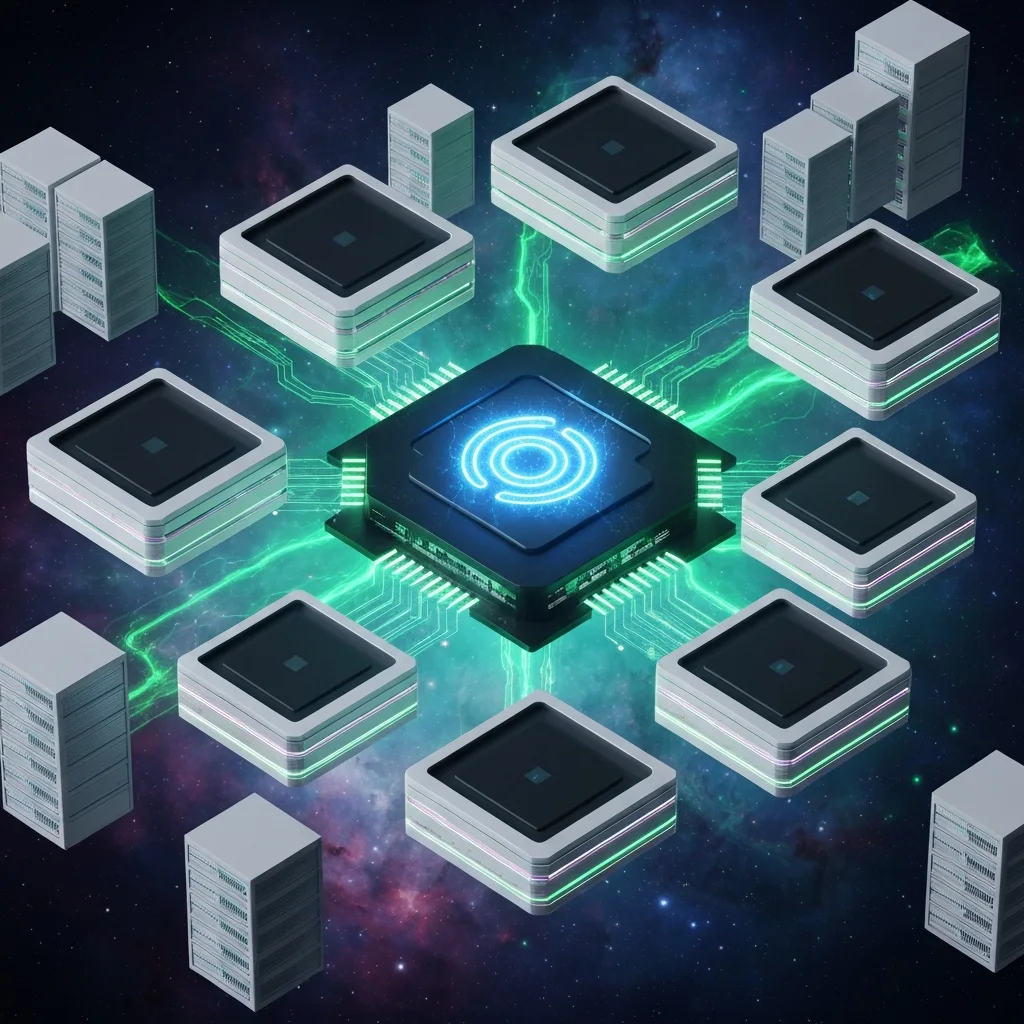
Nvidia has just upped the ante in the AI hardware race with the unveiling of Vera Rubin, a groundbreaking new computing platform. This isn't just an incremental upgrade; it's a complete overhaul, boasting a seven-chip architecture designed to redefine AI inference. The announcement, made at Nvidia's annual GTC conference by CEO Jensen Huang, positions Vera Rubin as a "generational leap" poised to trigger the "greatest infrastructure buildout in history."
The significance of Vera Rubin extends beyond its technical specifications. Nvidia has secured the backing of some of the biggest names in AI, including OpenAI, Anthropic, Meta, and Mistral AI. This endorsement speaks volumes about the platform's potential and its alignment with the future of AI development. Furthermore, major cloud providers like Amazon Web Services, Google Cloud, Microsoft Azure, and Oracle Cloud Infrastructure are all committed to offering the Vera Rubin platform to their customers. This widespread adoption ensures broad accessibility and accelerates the platform's impact on the AI landscape.
Huang emphasized the platform's impressive performance gains, claiming up to 10x more inference throughput per watt and a tenfold reduction in cost per token compared to the recently launched Blackwell systems. If these claims hold true, Vera Rubin represents a significant step forward in making AI more efficient and affordable, removing key barriers to wider adoption. The improvements in energy efficiency are particularly noteworthy, addressing the growing concerns about the environmental impact of large-scale AI deployments.
While specific details about the seven chips that constitute the Vera Rubin platform remain somewhat limited, the overall architecture clearly emphasizes performance and scalability. The platform's design, encompassing five racks in a single unit, suggests a focus on handling massive AI workloads. With over 80 manufacturing partners building systems around it, Vera Rubin is set to become a cornerstone of the next generation of AI infrastructure.
The launch of Vera Rubin signals Nvidia's continued dominance in the AI hardware market. By securing partnerships with leading AI companies and cloud providers, Nvidia is solidifying its position as the go-to provider for AI infrastructure. The platform's promise of significantly improved performance and cost-efficiency further strengthens Nvidia's competitive edge. The impact of Vera Rubin is likely to be felt across various AI applications, from natural language processing and computer vision to drug discovery and autonomous driving. As AI continues to evolve and permeate various aspects of our lives, platforms like Vera Rubin will play a crucial role in shaping its future.
The AI landscape is rapidly evolving, and Nvidia's Vera Rubin platform is poised to be a major catalyst in this transformation. It will be interesting to watch how these advancements translate into real-world applications and further innovation in the AI space. This announcement underscores the ongoing investment and development happening in AI and related technologies, and it reinforces the importance of following these developments closely to understand their potential impact.