Español
 English
 Français
 Português
 Deutsch
 Italiano
Researchers Allege DeepSeek and Kimi Trained Models Using Prohibited Nvidia Blackwell GPUs
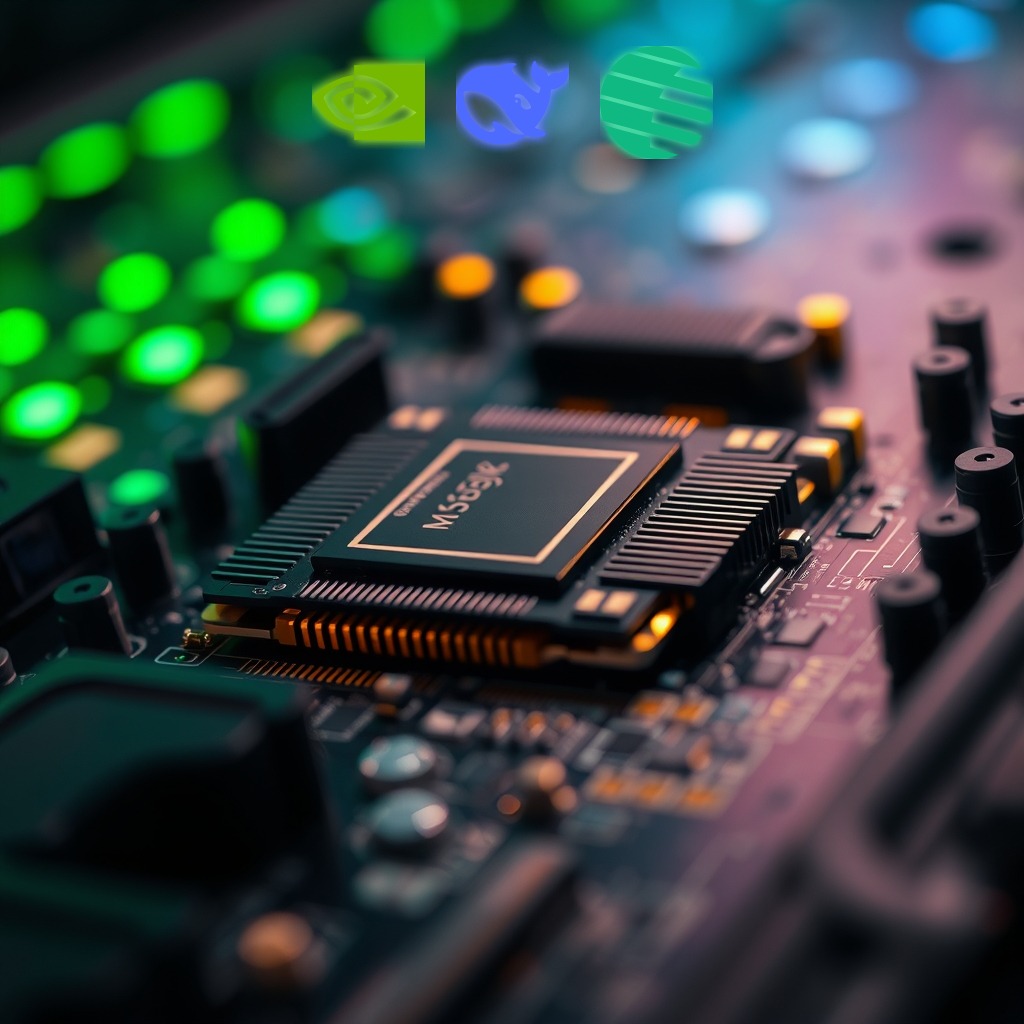 AI-generated
1. Context and Key Points
The geopolitics of advanced semiconductors has entered an extremely critical terrain after it was revealed that prominent artificial intelligence laboratories in China, including the developers behind DeepSeek and Kimi, reportedly used Nvidia Blackwell graphics processing units to train their most recent architectures. This finding not only calls into question the effectiveness of export controls implemented by the United States Department of Commerce, but also drastically alters the competitive balance against Western platforms such as frontier models.
Preliminary investigations point to complex networks of intermediaries, data centers distributed in grey jurisdictions, and fragmented cloud-rental tactics to bypass the physical prohibition of acquiring these next-generation silicon clusters. For the global artificial intelligence industry, this event demonstrates that regulatory barriers based exclusively on hardware geolocation face severe operational limits in the face of high financial liquidity and the reverse engineering of the Asian ecosystem. Chief technology officers, compliance officers, and supply chain analysts must immediately evaluate the impact of this breach. The implications transcend simple commercial infringement; they question the speed at which laboratories outside the United States can scale their pre-training and optimization phases for large language models without suffering the silicon bottlenecks that the US administration intended to impose.
2. Technical Highlights
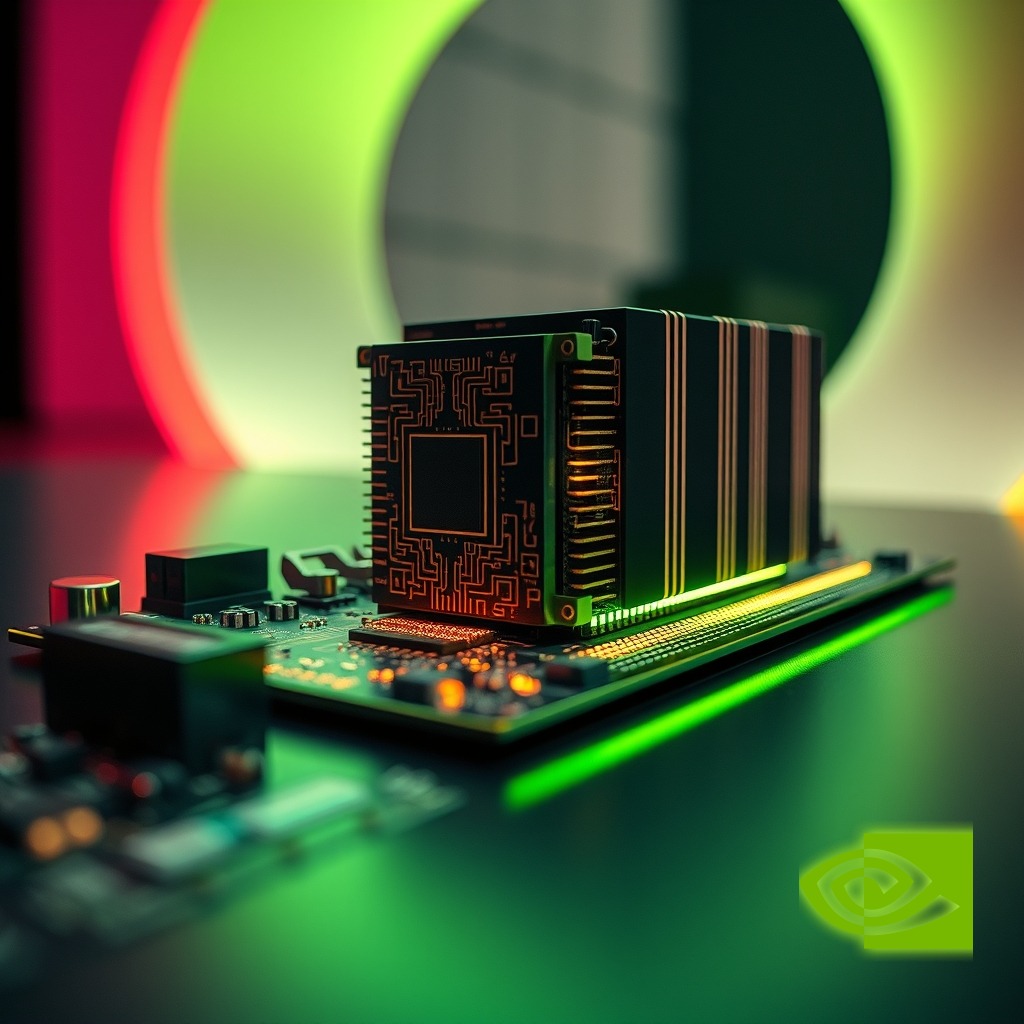
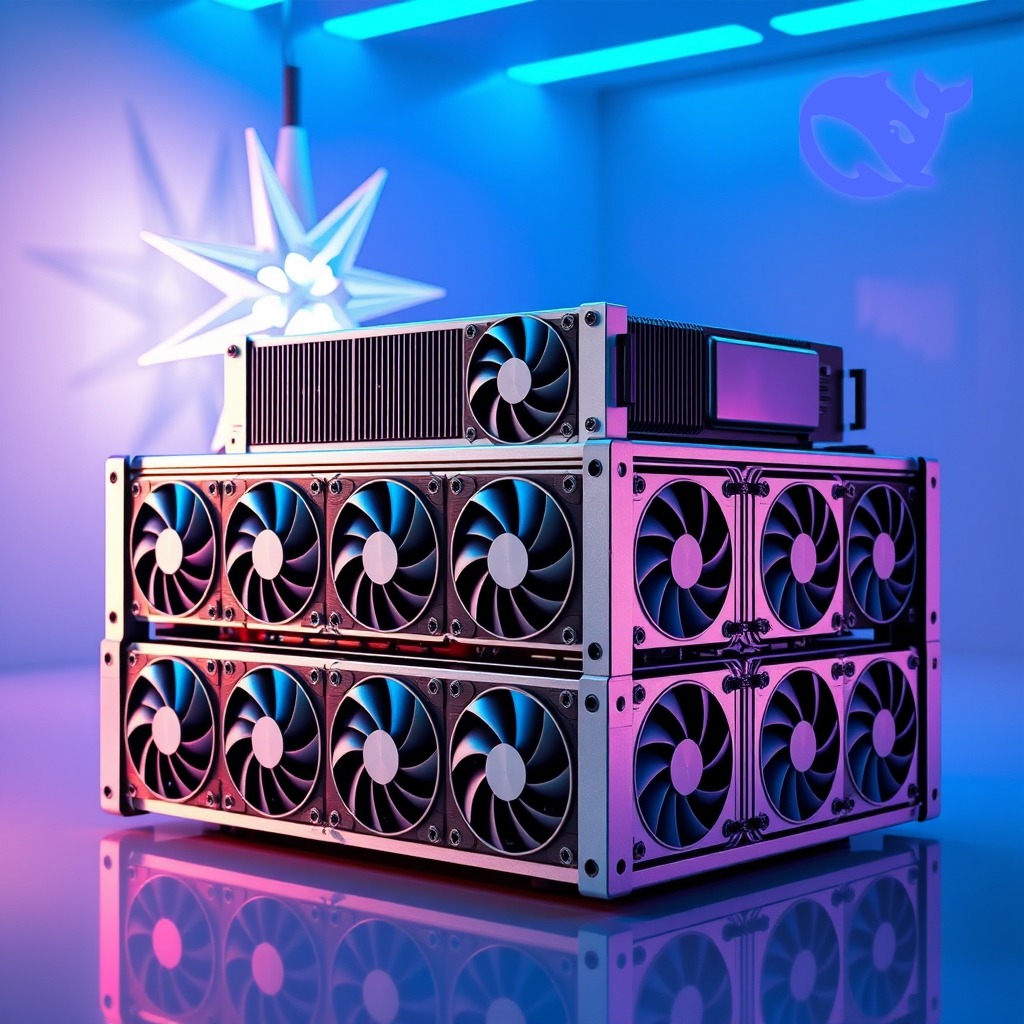
To understand the magnitude of the controversy, it is essential to examine the architecture of the processors involved. Nvidia's Blackwell series represents a generational leap over the previous Hopper architecture, introducing a second-generation transformer engine, native support for FP4 precision with decompression acceleration, and a fifth-generation NVLink interconnect capable of reaching massive bidirectional speeds per GPU. These attributes drastically reduce the computational and energy cost per token processed during the massive pre-training phases.In the specific case of the flagged models, such as advanced iterations of DeepSeek and Kimi, the integration of these chips would allow them to overcome the interconnect latency problems that limited clusters based on silicon adapted for export, such as Nvidia's trimmed versions intended for the Chinese market. The clandestine use of Blackwell implies that engineers were able to maintain ultra-high communication densities between nodes, an essential requirement for training models with mixture-of-experts (MoE) architectures and massive contexts without suffering thermal throttling or efficiency losses in the attention matrices. The technical clues that gave away these operations come from performance fingerprints and latency profiles observed in public inference calls and training benchmarks. Hardware analysts noted that certain model executions showed performance patterns in low-precision floating-point operations that are only natively viable on the Blackwell architecture. The absence of these profiles in the sanctioned H800 or A800 chips suggests the physical presence of Blackwell nodes operating in Asian territory under opaque virtualization schemes. Furthermore, the logistics involved in deploying these clusters require advanced liquid cooling infrastructure and high-density power supply systems that do not go unnoticed in standard energy audits. However, the fractionation of installed power across multiple small data centers and the use of interposed corporate identities have made it possible to conceal the true nature of the workloads executed on those servers. This scenario contrasts sharply with the development of Western models such as open-weights architectures, which benefit from direct and transparent access to approved massive infrastructures, or xAI's deployments with frontier models. While US laboratories operate with supply chain certainty, the reliance on grey routes by Chinese developers demonstrates an operational resilience and logistic adaptability that the original design of the sanctions did not anticipate.
3. Industry Repercussions
The repercussions of this report shake the foundations of the global semiconductor and artificial intelligence software market. For Nvidia, the news opens a complex front in terms of regulatory compliance and supply chain security, forcing the company to tighten telemetry and remote kill-switch mechanisms in its high-end products. Pressure on the chip maker will increase from US regulators, who will demand absolute traceability from the manufacturing plant to the final server rack.On the financial front, the competitive advantage supposedly guaranteed for Western cloud service providers and their development partners is called into question. Companies that base their investment strategies on the premise of forced technological lag in Asian laboratories will have to recalibrate their valuations. The cost per million tokens and the training efficiency provided by Blackwell chips are no longer exclusive to corporations with direct legal access to Nvidia's catalogs. The open-source ecosystem is also experiencing shockwaves. Open-weights models and efficient architectures developed in Asia now compete on equal hardware footing with leading Western exponents. This technological parity reduces the defensive moat maintained by Big Tech companies, accelerating the commoditization of base models and shifting commercial differentiation toward the application layer and specialized autonomous agents. For enterprise buyers of artificial intelligence technology, this landscape creates compliance dilemmas. Organizations operating under strict regulatory frameworks in the United States and the European Union will have to audit the provenance of the models and APIs they integrate into their corporate operations with greater rigor, given the risk of indirectly incurring intellectual property infringements or international trade sanctions.
4. Market Outlook
The consensus among industry analysts points to unilateral sanctions based on physical hardware control being tools with a decreasing window of efficacy. The immense profitability generated by the deployment of advanced language models economically justifies absorbing high logistic costs and risk premiums to acquire advanced chips through secondary channels.Experts point out that effective containment no longer depends solely on preventing the physical sale of silicon, but on implementing strict controls in the software layers, firmware license management, and real-time monitoring of cloud computing clusters on a global scale. However, these measures clash with the national sovereignty of various states acting as free ports or transit nodes for the re-export of technology. From the perspective of corporate risk management, chief technology officers are advised to adopt an expanded due diligence posture. This implies not assuming that international competitors suffer from computational resource limitations, and designing software architectures that prioritize algorithmic efficiency and parameter optimization over sheer brute force computing. Likewise, analysts suggest that Western laboratories must intensify their fundamental research to maintain leadership, focusing on novel architectures that reduce dependence on massive incremental increases in silicon power, betting instead on more efficient reasoning paradigms.
5. Next Steps
In the short term, an intensification of audits and customs restrictions by US authorities is foreseeable, with a particular focus on transit routes through third nations that show an anomalous increase in the import of data center hardware.In the medium term, semiconductor manufacturers will implement stricter hardware authentication systems, including cryptographic identifiers burned into the silicon that require constant connectivity verification with authorized control servers to operate at full performance. In the long term, the consolidation of this scenario will prompt Asian laboratories to accelerate the development and production of their own advanced silicon infrastructure, definitively reducing their vulnerability to the trade policies of foreign powers and transforming the global artificial intelligence hardware market into a permanently fragmented environment.
6. Conclusion and Assessment
The revelation about the clandestine use of Nvidia Blackwell GPUs by developers such as DeepSeek and Kimi marks a critical turning point in the global technological contest surrounding advanced hardware, powerfully demonstrating that physical barriers and export restrictions face severe structural limits in the face of international market adaptability and sophisticated supply chain routing.For business leaders and engineering directors, this scenario requires abandoning the assumption that international competitors operate with permanent infrastructure disadvantages. The only viable survival and leadership strategy lies in prioritizing architectural excellence, maximum efficiency in computational resource consumption, and rigorous operational governance regarding hardware provenance that allows organizations to navigate with resilience in an increasingly decentralized, competitive, and geopolitically polarized artificial intelligence ecosystem.