
 Español
 English
 Français
 Português
 Deutsch
 Italiano
Sanders and AOC Push for Data Center Construction Freeze
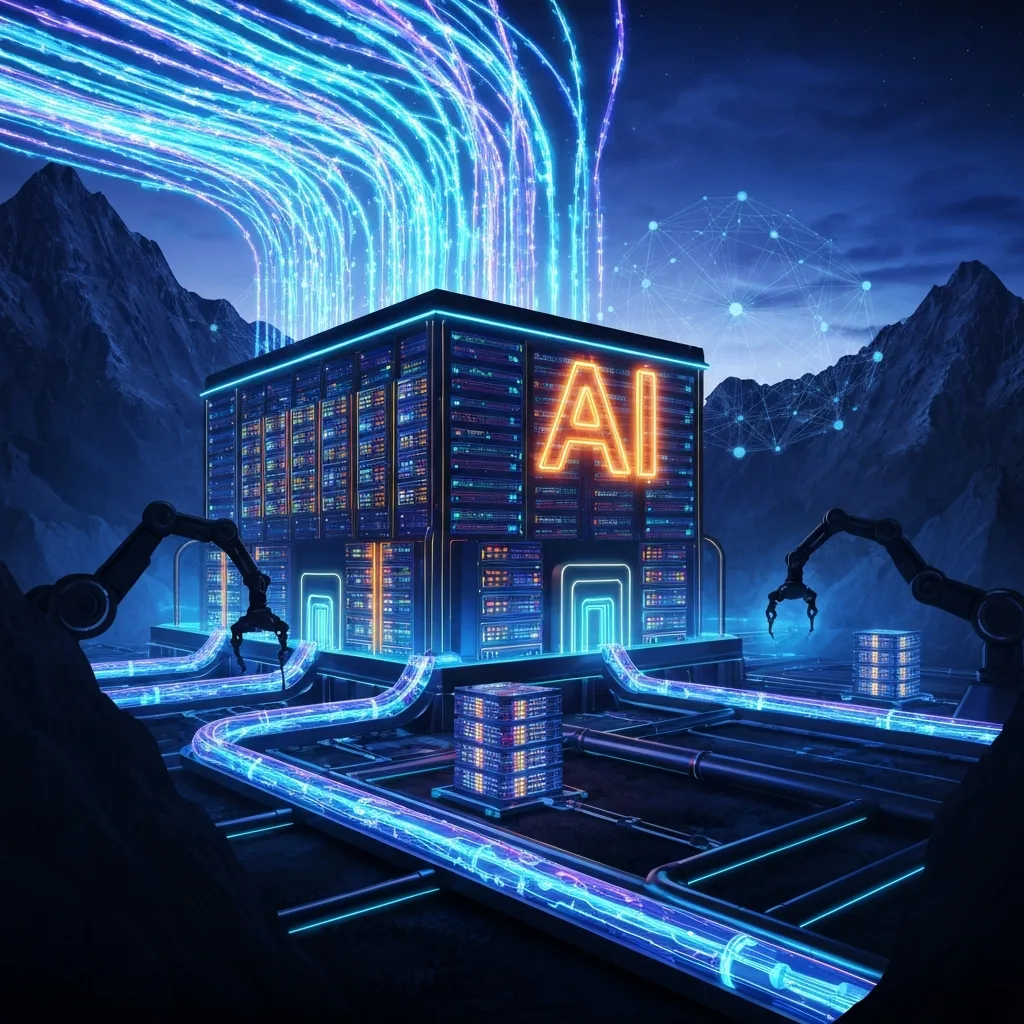
The rapid expansion of artificial intelligence is raising concerns not only about its potential societal impact but also about the massive infrastructure required to support it. Senator Bernie Sanders and Representative Alexandria Ocasio-Cortez have introduced companion legislation aimed at addressing these concerns head-on: a proposal to temporarily halt the construction of new data centers across the United States.
The proposed legislation seeks to put a pause on any new data center projects until Congress can establish comprehensive regulations governing the development and deployment of AI technologies. The lawmakers argue that the unchecked proliferation of data centers, driven by the increasing demands of AI, poses significant risks to energy consumption, environmental sustainability, and potentially, national security.
Data centers, the physical infrastructure housing the servers and networking equipment that power the internet and AI applications, are notoriously energy-intensive. They require vast amounts of electricity to operate and keep cool, contributing significantly to carbon emissions. As AI models become more complex and require more processing power, the demand for data centers and their associated energy consumption is only expected to increase.
Beyond environmental concerns, the proposed moratorium also reflects broader anxieties about the societal implications of AI. Sanders and Ocasio-Cortez have consistently voiced concerns about the potential for AI to exacerbate existing inequalities, displace workers, and be used for surveillance and manipulation. By temporarily halting the construction of new data centers, they aim to create space for a more thorough public debate about the ethical and societal implications of AI and to ensure that regulations are in place to mitigate potential harms.
The legislation is expected to face significant opposition from the tech industry, which argues that data centers are essential for innovation and economic growth. Industry representatives contend that a moratorium on new construction would stifle the development of AI and other technologies, potentially hindering U.S. competitiveness in the global market. They also point to ongoing efforts within the industry to improve energy efficiency and reduce the environmental impact of data centers.
The debate surrounding this proposed legislation highlights the growing tension between the rapid pace of technological advancement and the need for careful consideration of its societal and environmental consequences. As AI continues to evolve, policymakers and the public alike will grapple with the challenge of balancing innovation with responsible development and deployment. Whether this specific proposal gains traction remains to be seen, but it undoubtedly signals a growing awareness of the need for greater oversight and regulation of the AI industry and its underlying infrastructure. The potential ramifications for future AI development and deployment are considerable, setting the stage for a heated debate in the coming months.