
 Español
 English
 Français
 Português
 Deutsch
 Italiano
Senate Democrats Aim to Codify AI Safety Measures
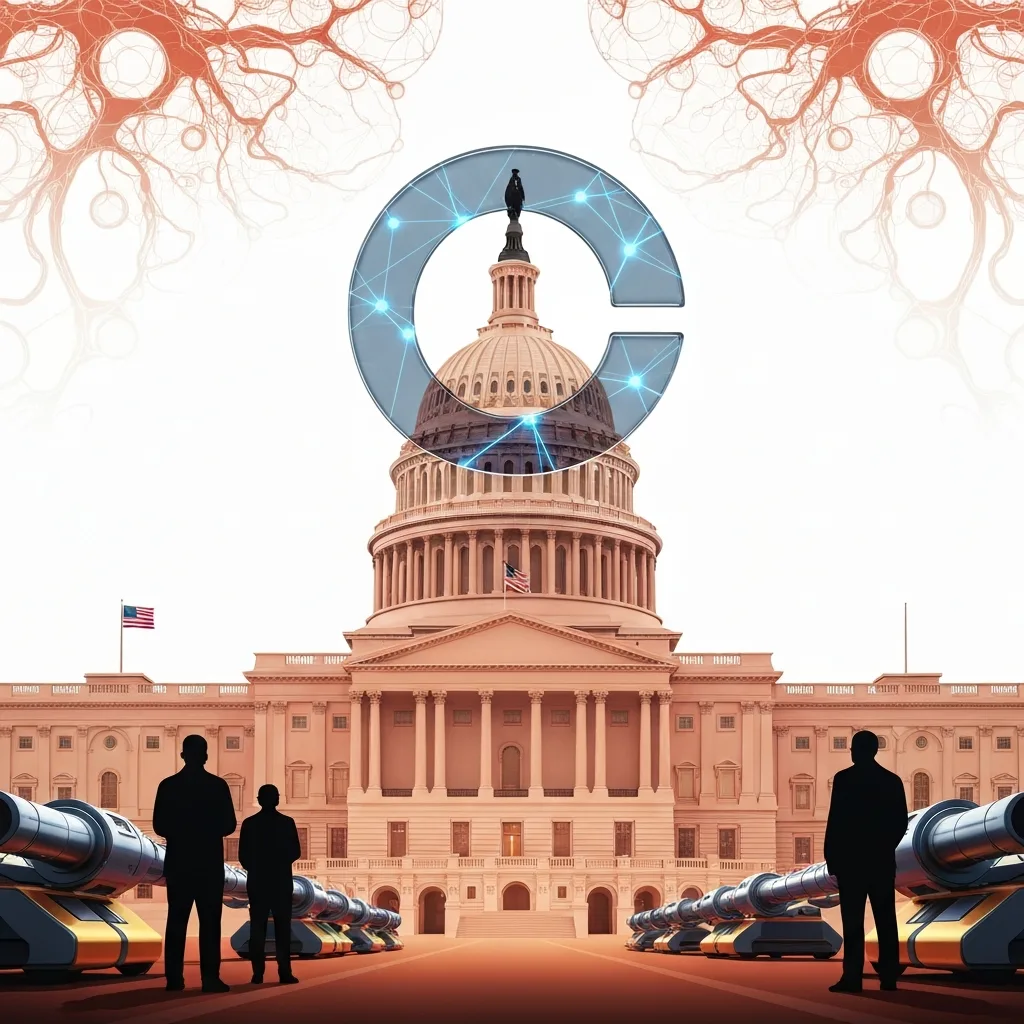
The debate surrounding the ethical deployment of artificial intelligence is intensifying, with U.S. Senate Democrats taking steps to formalize safeguards against potential misuse. Fueling this legislative push is the ongoing tension between AI developers and governmental bodies regarding the acceptable boundaries of AI application, particularly within the military and national security sectors.
Senator Adam Schiff from California is reportedly drafting a bill designed to “codify” specific red lines established by leading AI companies like Anthropic. These red lines focus on ensuring human oversight in critical decision-making processes, especially those involving life-or-death scenarios. The aim is to prevent fully autonomous weapons systems from making independent judgments without human intervention.
Adding to this momentum, Senator Elissa Slotkin of Michigan recently introduced legislation aimed at curtailing the Defense Department's ability to utilize AI for mass surveillance of American citizens. This bill reflects growing concerns about the potential for AI-powered surveillance technologies to infringe upon privacy rights and civil liberties.
These legislative efforts come against the backdrop of a contentious situation involving Anthropic, a prominent AI research company. The previous administration placed Anthropic on a blacklist earlier this month, citing supply-chain risks after the company imposed limitations on how the military could utilize its AI models. This action has been interpreted by some as a punitive measure against Anthropic for prioritizing ethical considerations over unrestricted access to its technology.
Anthropic has responded to the blacklisting with legal action, asserting that the government's actions violate its constitutional rights. The company has maintained its stance that certain applications of AI, particularly in military contexts, require stringent ethical guidelines and human control.
The senators' actions signal a growing recognition within Congress of the need for clear regulatory frameworks governing the development and deployment of AI. As AI technology continues to advance at a rapid pace, policymakers are grappling with the challenge of balancing innovation with the imperative to protect fundamental rights and prevent the misuse of powerful AI systems. The outcome of these legislative efforts could have significant implications for the future of AI development and its role in society. The debate highlights the complex ethical and societal considerations that must be addressed as AI becomes increasingly integrated into various aspects of our lives. This is not just a technological discussion; it's a crucial conversation about the future we want to build and the values we want to uphold in an age of increasingly sophisticated artificial intelligence.