
 Español
 English
 Français
 Português
 Deutsch
 Italiano
Startup's Controversial Plan: 'Brainless' Human Clones for Organ Replacement
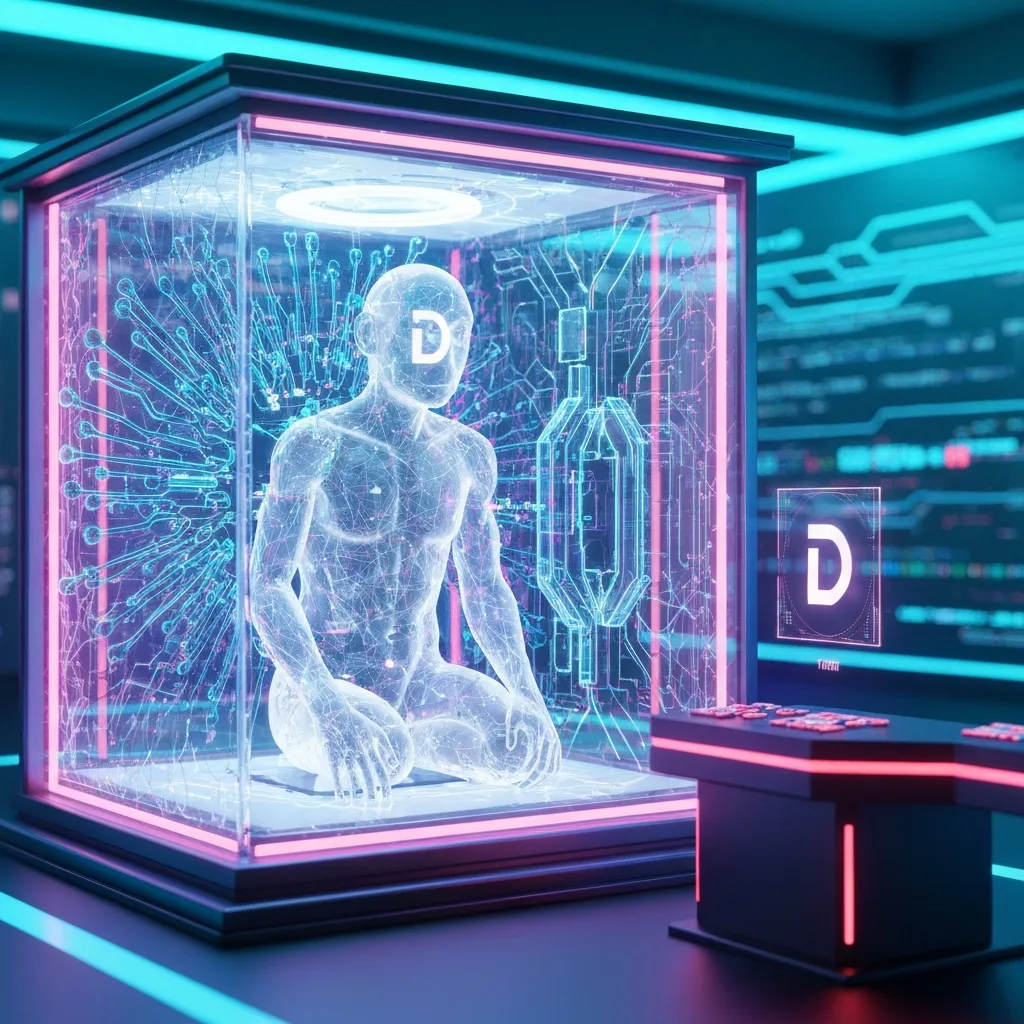
The world of biotechnology is often filled with groundbreaking advancements and ethical dilemmas. Recently, a startup called R3 Bio, operating discreetly in Richmond, California, has surfaced with details about its ambitious – and controversial – projects. While the company publicly announced it secured funding from investors like Tim Draper, Immortal Dragons, and LongGame Ventures to develop nonsentient monkey “organ sacks” for pharmaceutical testing alternatives, a deeper look reveals even more provocative ambitions.
MIT Technology Review uncovered that R3 Bio's founder, John Schloendorn, has been pitching a far more radical concept: the creation of “brainless clones” intended as backup human bodies. This concept involves growing human clones with minimal brain structure, just enough to sustain life, with the explicit purpose of harvesting organs for transplant. The idea is that these clones could serve as readily available sources for kidneys, livers, or other vital organs, eliminating the current challenges of organ donation and matching.
Schloendorn has also reportedly speculated about the possibility of future brain transplants, envisioning a scenario where a person's brain could be transferred into a younger, cloned body. This raises profound ethical questions about identity, consciousness, and the very definition of what it means to be human. Such a procedure, if ever feasible, would undoubtedly spark intense debate and scrutiny.
The implications of this technology are vast and raise serious ethical concerns. Creating beings solely for organ harvesting raises questions about human dignity, the value of life, and the potential for exploitation. Even the development of nonsentient animal “organ sacks” presents ethical challenges, particularly regarding animal welfare and the potential for unintended consequences.
While R3 Bio's publicly stated focus is on animal testing alternatives, the revelation of Schloendorn's broader vision paints a picture of a company pushing the boundaries of biotechnology in ways that could fundamentally alter our understanding of life and death. Whether this technology will ever become a reality remains to be seen, but its mere consideration highlights the urgent need for open and informed discussions about the ethical implications of advanced biotechnology and the responsible development of such potentially transformative technologies. The discussion around the ethics of creating beings for spare parts is likely to intensify as technology continues to advance.