
 Español
 English
 Français
 Português
 Deutsch
 Italiano
Tech Giants Pledge to Fund Power for Data Center Growth
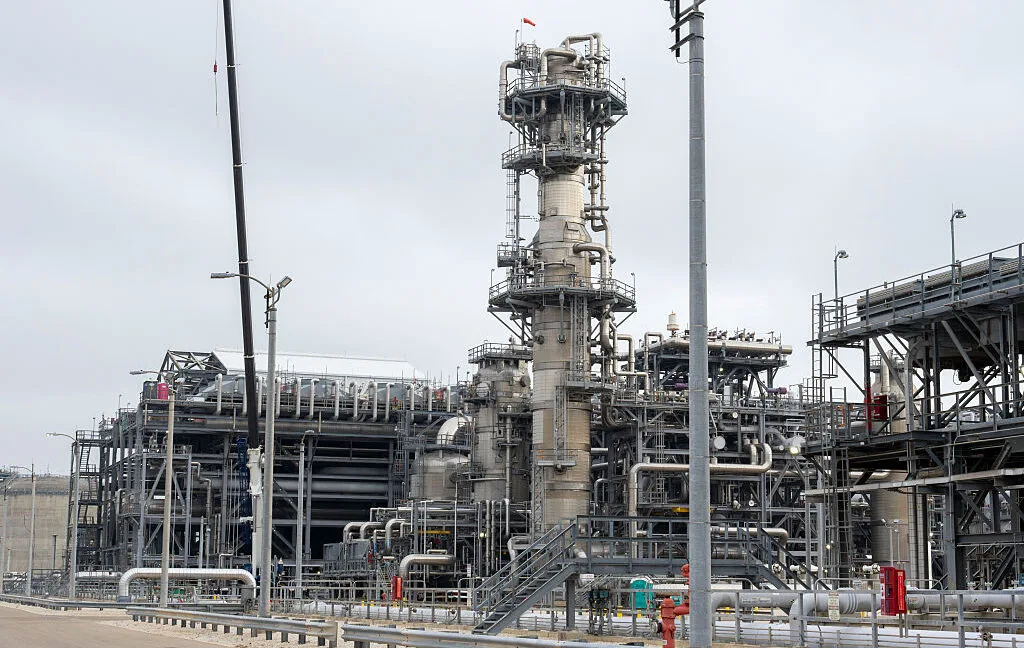 AI-generated
The escalating demand for data centers, fueled by the relentless growth of artificial intelligence and cloud computing, is placing immense pressure on existing power grids. Recognizing this challenge, the Trump administration recently unveiled the “Ratepayer Protection Pledge,” a commitment from major tech players to shoulder the financial burden of expanding power generation and transmission infrastructure to support their data center expansions.
The initial signatories to this pledge include industry titans such as Amazon, Google, Meta, Microsoft, OpenAI, Oracle, and xAI. By signing on, these companies are essentially agreeing to directly fund the development of new power generation facilities or contribute to the expansion of existing power plants to meet the energy demands of their burgeoning data center footprint. Furthermore, they commit to covering the costs associated with building the necessary transmission infrastructure to connect these new power sources to the grid and, ultimately, to their data centers.
The agreement outlines a straightforward set of principles, with the core tenet being the financial responsibility of data center operators for new energy capacity. This includes either constructing their own generation facilities or contributing financially to new or expanded power plants. The pledge also extends to covering the costs of transmission infrastructure required to link the data centers and the new power supply to the broader electrical grid.
While the initiative has been lauded as a step in the right direction, some critics have pointed out potential limitations. One significant concern is the lack of a clearly defined enforcement mechanism. The pledge relies on the voluntary commitment of the signatories, raising questions about accountability and adherence in the long run. The complexities of hardware supply chains, which can impact the timeline and cost of data center construction, are also not explicitly addressed in the agreement.
Moreover, some analysts argue that the pledge overlooks fundamental economic principles. The agreement's effectiveness will depend on various factors, including the availability of suitable sites for new power plants, regulatory hurdles, and the overall economic viability of the projects. The long-term impact on ratepayers, who may indirectly bear some of the costs, also warrants careful consideration.
Despite these potential challenges, the Ratepayer Protection Pledge represents a significant shift in the way data center operators approach their energy consumption. By taking proactive responsibility for funding new power generation and transmission infrastructure, these companies are acknowledging their role in shaping a more sustainable and resilient energy future. Whether the pledge will translate into tangible results remains to be seen, but it undoubtedly sets a precedent for greater corporate responsibility in addressing the energy demands of the digital age. The industry will be watching closely to see how these commitments are implemented and what impact they have on the energy landscape.