
 Español
 English
 Français
 Português
 Deutsch
 Italiano
The Myth of the High-Tech Heist: Why Real Crime Isn't Like the Movies
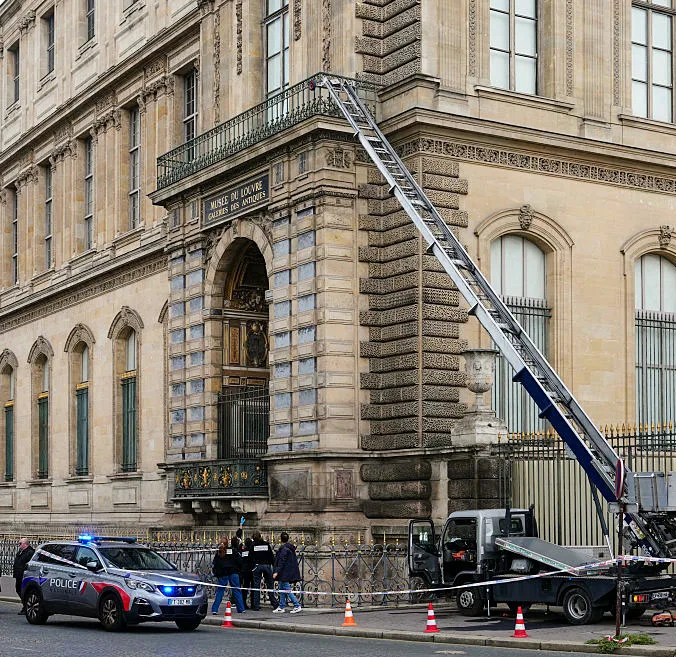
Steven Soderbergh, the acclaimed director behind the Ocean's franchise, once likened filmmaking to pulling off a meticulously planned heist. He highlighted the parallels: creative strategy, assembling a skilled team, overcoming technical hurdles, precise execution, and, ultimately, a redistribution of resources. This analogy perfectly captures the essence of both the plots and the production process of films like *Ocean's Eleven*. However, the reality of actual heists stands in stark contrast to the glamorous, high-tech portrayals often seen on the silver screen.
In the real world, elaborate surveillance systems, computer-controlled alarms, sophisticated incapacitation methods, and laser grids rarely play a significant role in major criminal enterprises. The truth is that technological countermeasures are seldom the primary obstacle for criminals, and cutting-edge gadgets are rarely the key to success. The biggest challenge is usually something far more basic: physical access, such as breaching a locked door.
Far more frequently, successful heists rely on human vulnerabilities rather than technological prowess. Collusion with insiders, deception, and intimidation are the tools most commonly employed by thieves. These methods exploit weaknesses in security protocols and human nature, bypassing the need for complex technical solutions. A recent example is the theft from the Louvre Museum, where millions of euros worth of antique jewelry were stolen. The most sophisticated technology involved wasn't used by the thieves, but was instead circumvented by them, likely through insider knowledge or exploitation of procedural gaps.This isn't to say that technology is entirely absent from criminal activity. Cybercrime, for instance, relies heavily on sophisticated technical skills and tools. However, in the realm of physical heists targeting valuable assets, the emphasis remains firmly on exploiting human fallibility and basic security oversights. The image of the master thief disabling laser grids and hacking into impenetrable systems is largely a product of Hollywood's imagination.The lesson here is that security, whether physical or digital, is only as strong as its weakest link. Focusing solely on advanced technological defenses while neglecting basic security protocols and the potential for human error creates vulnerabilities that can be easily exploited. Real-world security needs to address the human element, emphasizing thorough background checks, robust internal controls, and ongoing training to mitigate the risk of insider threats and social engineering attacks. The next time you see a heist movie with improbable gadgets, remember that the reality is often much less glamorous and far more reliant on the age-old strategies of deceit and exploitation.
Hardware Pick
NVIDIA GeForce RTX 5090
