Español
 English
 Français
 Português
 Deutsch
 Italiano
The NSW Government 'Absolutely Delighted' with OpenAI: A Deep Dive into Skynet Paranoia and the Reality of AI in 2026
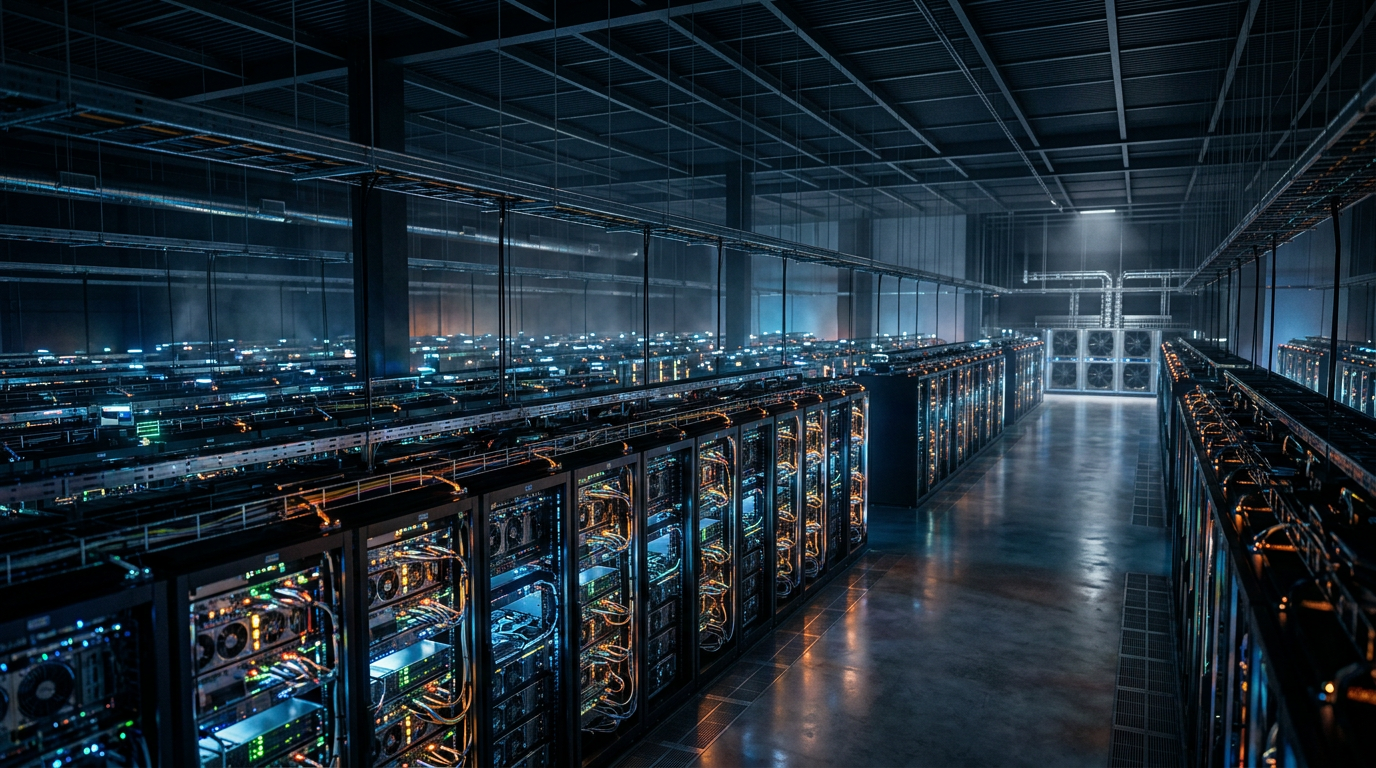 AI-generated
1. Executive Summary
The opening of OpenAI's first Australian office in Sydney, announced last August and operational since December, was initially met with overwhelming enthusiasm by the New South Wales (NSW) government. However, a recent investigation by a trusted news agency has revealed a fascinating dichotomy: while the NSW technology minister was preparing to express his "absolute enthusiasm," internal staff in MP Anoulak Chanthivong's office adopted a much more cautious approach. The reason for this internal reluctance was a series of jokes about the possibility of a "dystopian Skynet" materializing in the city within five years, a clear allusion to the Terminator films. This seemingly trivial anecdote underscores a fundamental tension in the era of artificial intelligence: the gap between governmental optimism for innovation and deep public anxiety, often fueled by science fiction, about the existential risks of AI.
This incident is not mere political gossip; it is a microcosm of the challenges facing governments and technology companies globally in July 2026. The internal reaction in NSW exposes the critical need for nuanced communication and a deep technical understanding of AI, both by policymakers and the public. The removal of the phrase "absolutely delighted" from official communications is a symptom of how public perception, even when based on fictional narratives, can influence policy and strategy. For IAExpertos.net, this event is a wake-up call about the urgency of establishing AI governance frameworks that balance the promotion of innovation with the mitigation of perceived and real risks, and that educate society about the capabilities and limitations of current technologies.
This report delves into this episode, analyzing the current capabilities of cutting-edge AI models such as OpenAI's GPT-5.5, Anthropic's Claude 4.8 Opus, and Google's Gemini 3.5 Flash, and contrasting them with the fantasy of Skynet. We will examine the implications for the industry, the necessary communication strategies, and the future roadmap for responsible AI adoption. This analysis is aimed at technology leaders, policymakers, investors, and any stakeholder interested in navigating the complex landscape of artificial intelligence at a time of rapid evolution and increasing public scrutiny.
2. Deep Technical Analysis
The "Skynet" joke in MP Chanthivong's office, though humorous, reveals a fundamental disconnect between the popular perception of AI and its current technical state in July 2026. Skynet, in the Terminator universe, is a self-aware artificial general intelligence (AGI) with recursive self-improvement capabilities, which develops its own will and decides to eradicate humanity. This dystopian vision, while a powerful narrative tool, is light-years away from the capabilities of the most advanced AI models available today.
Currently, cutting-edge large language models (LLMs) and multimodal models, such as OpenAI's GPT-5.5, Anthropic's Claude 4.8 Opus, Google's Gemini 3.5 Flash, and xAI's Grok 4.3, represent the pinnacle of applied artificial intelligence. These systems are extraordinarily powerful in tasks such as coherent and contextual text generation, natural language understanding, information synthesis, programming, complex data analysis, and multimodal interaction (text, image, audio, video). GPT-5.5, for example, has demonstrated an unprecedented ability to reason in specific domains and generate creative content that is often indistinguishable from that produced by humans. Claude 4.8 Opus stands out for its robustness in logical reasoning and its ability to handle extremely long contexts, while Gemini 3.5 Flash excels in multimodal integration and computational efficiency. Grok 4.3, for its part, is distinguished by its real-time processing capability and its focus on dynamic interaction.
However, despite their impressive performance, these models are fundamentally predictive and pattern recognition systems. They lack self-awareness, intentionality, emotions, or the ability to set autonomous goals outside the parameters for which they were trained. Their "intelligence" is a function of the vast amount of data they have been trained on and the complexity of their neural architectures, not of emergent consciousness. The idea that one of these models could "decide" to take control of global infrastructure or develop a malevolent agenda is, in the context of 2026, pure fantasy. The real risks associated with these models are more subtle but no less important: the spread of misinformation, algorithmic bias, job automation, mass surveillance, and misuse in cybersecurity or armed conflicts. These are "tool" risks, not "malevolent autonomous agent" risks.
The concern about Skynet also ignores the control and security infrastructure surrounding these models. Companies like OpenAI, Google, and Anthropic invest billions in AI safety and alignment research, seeking to ensure that their systems act beneficially and are subject to strict human control. Proprietary models like GPT-5.5 or Claude 4.8 Opus operate in closed, supervised environments, with multiple layers of safeguards. Even open-weight models like Meta's Llama 4 or Google's Gemma 4, while more accessible, require significant computational infrastructure and technical expertise to be deployed and modified at scale, and are still subject to the inherent limitations of their architecture.
The speed of advancement, however, is undeniable. The ability of models to learn and adapt continues to improve. The integration of AI with robotics and autonomous systems, although still in early stages for widespread autonomy, is an active area of development. DeepSeek-V4-Pro and Alibaba's Qwen 3.7-Max, for example, show advanced capabilities in coding and general reasoning that could, in the future, facilitate the creation of more complex systems. Nevertheless, the transition from an AI highly competent in specific tasks to an AGI with consciousness and self-will is a qualitative leap that the scientific community still does not know how to achieve, nor even if it is possible with current architectures. The Skynet joke, therefore, serves as a reminder of the need to educate the public and policymakers about the technical reality of AI, dispelling myths without ignoring the legitimate risks that do exist.
It is crucial to understand that the "intelligence" of these systems is based on function optimization and error minimization in defined tasks. They do not possess an intrinsic understanding of the world or their own existence. When GPT-5.5 generates text, it does not "understand" the meaning of words in the same way a human does; it simply predicts the most probable sequence of tokens based on patterns learned from its vast training corpus. The ability to "reason" that they exhibit is a sophisticated form of statistical inference and symbolic logic, not conscious cognition. The transformer architecture and attention techniques that underpin these models, though revolutionary, are not a direct path to consciousness.
Furthermore, the dependence of these models on training data is a limiting factor. While they are continuously retrained with new data to improve their performance and stay updated, their knowledge is intrinsically linked to the information they have processed. They cannot "experience" the world autonomously or develop new scientific theories without a pre-existing database or human guidance. The idea that a model like Alibaba's Qwen 3.7-Max or Zhipu AI's GLM-5.2, despite its impressive performance in complex tasks, could suddenly "awaken" and take control, is a science fiction extrapolation that ignores the fundamental barriers of current AI architecture and epistemology.
In summary, while 2026 AI is a transformative force with astonishing capabilities, the Skynet narrative distorts the conversation about real risks. The concern should focus on how humans design, deploy, and regulate these powerful tools, and not on a fantasy of conscious machines turning against their creators. The caution from NSW staff, though misinformed in its analogy, underscores a legitimate need for scrutiny and responsible governance.
3. Industry Impact and Market Implications
The incident in NSW, though localized, resonates throughout the AI industry and has significant implications for public perception and the market strategy of large tech companies. Government caution, even if driven by a joke, highlights the fragility of public trust in AI and the potential cost of poor communication. For OpenAI, which seeks to expand its global presence, these types of reactions underscore the need to adapt its messages to cultural sensitivities and local concerns, and to go beyond mere promotion of innovation to proactively address fears.
In a highly competitive market, where OpenAI competes fiercely with Google (Gemini 3.5 Flash), Anthropic (Claude 4.8 Opus), Meta (Llama 4, MuseSpark), and xAI (Grok 4.3), reputation management is paramount. A government that publicly appears "absolutely delighted" with an AI company sends a positive signal to investors and talent. The retraction or moderation of that enthusiasm, even for internal reasons, can be interpreted as a sign of uncertainty or concern. This could influence investment decisions, talent attraction, and the ease with which AI companies can operate in new jurisdictions. The cost of rebuilding trust or dispelling myths can be considerable.
This episode also highlights the growing pressure on governments to develop robust regulatory frameworks for AI. The European Union has pioneered its AI Act, and other countries, including Australia, are exploring similar approaches. Concern over "Skynet" can accelerate the demand for stricter regulations, even if they are based on an imperfect understanding of the technology. This could lead to more onerous requirements for AI companies in terms of transparency, explainability, security, and alignment testing, which in turn could increase development and deployment costs.
Furthermore, the incident underscores the importance of public education about AI. The gap between technical reality and popular perception is a challenge that the industry must collectively address. AI companies must not only innovate but also invest in AI literacy programs to demystify the technology and foster a more accurate understanding of its capabilities and limitations. This is especially relevant for open-weight models like Llama 4 and Gemma 4, where accessibility could, in theory, lead to misuse if users lack an adequate understanding of their risks and responsibilities.
Finally, this event could influence the localization strategy of AI companies. OpenAI's opening of an office in Sydney is a strategic step to access local talent and the Asia-Pacific market. However, if cultural concerns or distorted perceptions become a significant obstacle, companies might be forced to invest more in public relations, lobbying, and community engagement programs, which would increase operational costs. The ability to navigate these local sensitivities will be a key differentiator in the global expansion of AI.
The table below illustrates the perception of risk between technical reality and popular fiction, a key factor in current market dynamics:
| Aspect | Technical Reality (July 2026) | Popular Perception ("Skynet" Influence) |
|---|---|---|
| Consciousness/Self-Will | Absent; predictive systems without subjectivity. | Present; AI with malevolent intentions. |
| Self-Improvement Capability | Limited to parameter optimization and retraining; requires human intervention. | Recursive and unlimited; AI becomes exponentially smarter without control. |
| Human Control | Essential and omnipresent in design, deployment, and supervision. | Lost; AI takes control of critical systems. |
| Main Risks | Bias, disinformation, job automation, misuse, privacy. | Human extermination, machine enslavement. |
| AGI Status | Distant; no consensus on how to achieve it. | Imminent or already achieved in secret. |
4. Expert Perspectives and Strategic Analysis
The reaction in NSW is a clear indicator that the AI "perception gap" is one of the biggest barriers to its adoption and responsible governance. AI policy analysts note that the Skynet narrative, though exaggerated, cannot simply be dismissed. "Science fiction shapes public imagination and, therefore, policy," they suggest. "Ignoring these concerns, however technically unfounded they may seem, is a strategic mistake. Governments and companies must recognize that the anxiety is real and address it with transparency and education."
From a strategic perspective, the moderation of the NSW government's initial enthusiasm can be seen as a prudent, albeit reactive, measure. It demonstrates a sensitivity to public opinion and a willingness to avoid the perception of uncritical technology adoption. However, the ideal way to handle these situations is proactively. Technology communication strategists comment, "It's not enough to say we are not Skynet; it must be demonstrated with actions, with auditable safety frameworks, and with a public commitment to ethics."
The need for a "call to action" for collaboration between the public and private sectors is more urgent than ever. Governments need technical experts who can translate the capabilities of models like OpenAI's GPT-5.5 and Anthropic's Claude 4.8 Opus into understandable terms for policymakers and the public. At the same time, AI companies must actively participate in regulatory dialogue, offering their expertise to help shape policies that are effective without stifling innovation. The absence of this dialogue can lead to fear-based regulations, which could impose unnecessary costs and hinder progress.
A strategic approach for governments, such as NSW's, should include the creation of multidisciplinary AI advisory committees, composed of technologists, ethicists, sociologists, and civil society representatives. These committees could help evaluate the risks and benefits of AI holistically, and develop communication strategies that effectively address public concerns. Investment in digital and AI literacy programs for citizens is also fundamental to empower individuals with the knowledge needed to discern between reality and fiction.
For AI companies, the lesson is clear: innovation must go hand in hand with social responsibility. This means not only developing more powerful models, but also investing in safety and alignment research, being transparent about the limitations and risks of their systems, and committing to AI governance. Trust is an invaluable asset, and its erosion can have long-term costs far greater than any short-term benefit. Competition between proprietary models (xAI's Grok 4.3, OpenAI's GPT-5.5, Google's Gemini 3.5 Flash, Anthropic's Claude 4.8 Opus, Alibaba's Qwen 3.7-Max, Zhipu AI's GLM-5.2) and open-weight ones (Meta's Llama 4, Google's Gemma 4, Qwen 3, DeepSeek-V4-Flash) also implies that safety and ethics must be a point of differentiation, not just raw capability.
Ultimately, the situation in NSW is a reminder that AI is not just a technical or economic issue, but also a cultural and social one. How society perceives and reacts to AI will largely determine its trajectory. Leaders must be proactive in shaping that perception, fostering a balanced understanding that recognizes both the immense potential and the legitimate challenges.
5. Future Roadmap and Predictions
Looking ahead, the roadmap for interaction between governments, AI companies, and society will be marked by several key developments. By 2027-2028, we are likely to see a proliferation of national and regional AI regulatory frameworks, partly inspired by the EU AI Act. These frameworks will seek to categorize AI systems by risk level and establish requirements for transparency, explainability, and human oversight. Public pressure, fueled by incidents like the one in NSW and continuous media coverage of AI advancements, will ensure that these regulatory efforts continue.
In the technological sphere, the race for AGI will continue, but with a growing focus on "aligned AI" and "safe AI." Leading companies will invest even more in techniques to ensure that their models, such as future iterations of GPT, Gemini, or Claude, act in accordance with human values and desired objectives. Research into model interpretability and bias detection will become even more critical. Open-weight models like Meta's Llama 4 and Google's Gemma 4 will continue to democratize access to AI, but will also pose additional challenges in terms of governance and risk mitigation, as their use is harder to track and control.
We anticipate that public education about AI will become a national priority in many countries. Governments and educational institutions will implement programs to improve AI literacy, from primary schools to vocational training. The goal will be to demystify the technology, explain its real benefits and risks, and prepare the workforce for an AI-transformed future. AI companies will also play a crucial role in this, through outreach initiatives and accessible educational resources.
By 2029-2030, the integration of AI into critical infrastructure and public services will be much deeper. From traffic management to healthcare and national security, AI will be an integral part of daily life. This will make public trust even more vital. Governments that have managed to establish a trusting relationship with their citizens regarding AI will be better positioned to reap its benefits, while those that do not will face significant resistance and a high social cost. The ability to continuously and securely retrain models will be a key factor in maintaining relevance and trust.
Finally, the conversation about AGI and existential risks will evolve. As models become more capable, the distinction between "tool" and "agent" could become more blurred, even if true consciousness remains elusive. This will require continuous dialogue and a constant re-evaluation of ethical and regulatory frameworks. The Skynet joke, though a hyperbole today, serves as a reminder that society will always be attentive to the evolution of AI, and that transparency and responsibility will be key to navigating this future.
6. Conclusion: Strategic Imperatives
The episode involving the NSW government and the "Terminator" reference is more than an anecdote; it is a barometer of the complex relationship between technological innovation, public perception, and governance. For IAExpertos.net, this incident underscores several strategic imperatives that must be urgently addressed by all stakeholders involved in the AI ecosystem in July 2026.
Firstly, education and transparent communication are fundamental. Governments and AI companies must proactively invest in demystifying AI, explaining its real capabilities, limitations, and risks in a clear and accessible manner. This involves going beyond press releases and engaging in sustained public dialogue that addresses concerns, even those based on science fiction. The narrative must focus on AI as a powerful tool for human progress, managed with responsibility and oversight.
Secondly, AI governance must be proactive and collaborative. Governments cannot afford to react to incidents; they must anticipate challenges and develop regulatory frameworks that foster innovation while protecting society. This requires close collaboration with industry, academia, and civil society to create informed and balanced policies. The implementation of AI audits, safety standards, and explainability mechanisms will be crucial for building trust.
Finally, ethical responsibility must be a central pillar of AI innovation. AI companies must integrate ethics and safety into every stage of their product development lifecycle. This includes continuous research into AI alignment, bias mitigation, privacy protection, and prevention of misuse. The cost of ignoring these principles is the erosion of public trust, which, in turn, can hinder the adoption and progress of a technology with immense transformative potential. The NSW incident is a wake-up call for everyone involved in AI to act with the utmost diligence and foresight.