
 Español
 English
 Français
 Português
 Deutsch
 Italiano
Trump's PCAST Appointments: Tech Titans Replace Scientists
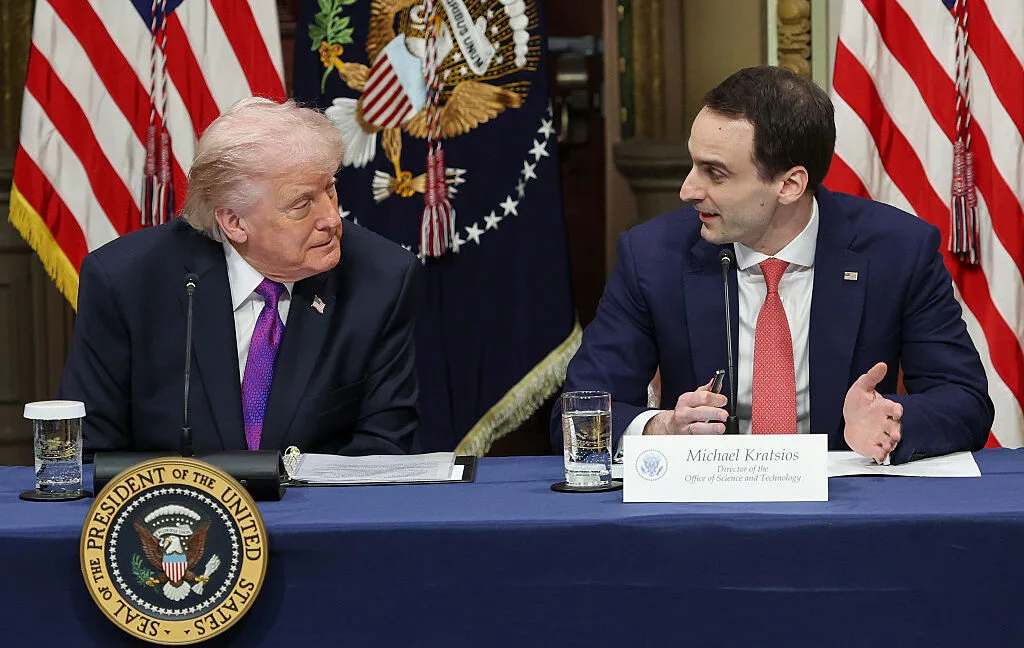
The President's Council of Advisors on Science and Technology (PCAST) rarely grabs headlines, usually only attracting attention when controversies arise. While previous administrations, including those generally supportive of scientific endeavors, have sometimes been slow to fill these roles, the latest appointments have sparked considerable debate due to the backgrounds of those selected.
Released recently, the list of appointees to PCAST is notable for a significant shift away from individuals with traditional scientific backgrounds. While several positions remain open, leaving the door for potential future additions from the scientific community, the initial selections lean heavily towards prominent figures in the technology industry.
Among those named are well-known leaders and investors from some of the world's largest technology companies. The list includes figures such as investor Marc Andreessen, Sergey Brin from Google, Michael Dell of Dell Technologies, Larry Ellison of Oracle, Jensen Huang of NVIDIA, Lisa Su of AMD, and Mark Zuckerberg of Meta.
This concentration of tech industry leaders raises questions about the council's future focus and priorities. While these individuals undoubtedly possess valuable expertise in innovation, business strategy, and technological development, their backgrounds differ significantly from those of traditional scientists who have historically populated PCAST. The council's mandate is to advise the President on science and technology policy, requiring a diverse range of perspectives to address complex challenges effectively.
The absence of a strong representation from fields like biology, chemistry, physics, or environmental science could potentially skew the council's advice towards areas more directly related to the interests of the technology sector. This could have implications for policy decisions related to scientific research funding, regulations affecting emerging technologies, and the government's approach to addressing pressing scientific challenges such as climate change and public health crises.
It remains to be seen how this new composition of PCAST will influence the administration's science and technology policies. The unfilled vacancies offer an opportunity to bring in individuals with more traditional scientific expertise, potentially balancing the perspectives represented on the council. However, the initial appointments signal a clear emphasis on the role of technology and innovation in shaping the future, with tech leaders taking center stage in advising the President on these critical issues. The coming months will reveal the extent to which this shift impacts the direction of science and technology policy under the current administration.