
 Español
 English
 Français
 Português
 Deutsch
 Italiano
Ukraine: The Drone Warfare Inflection Point
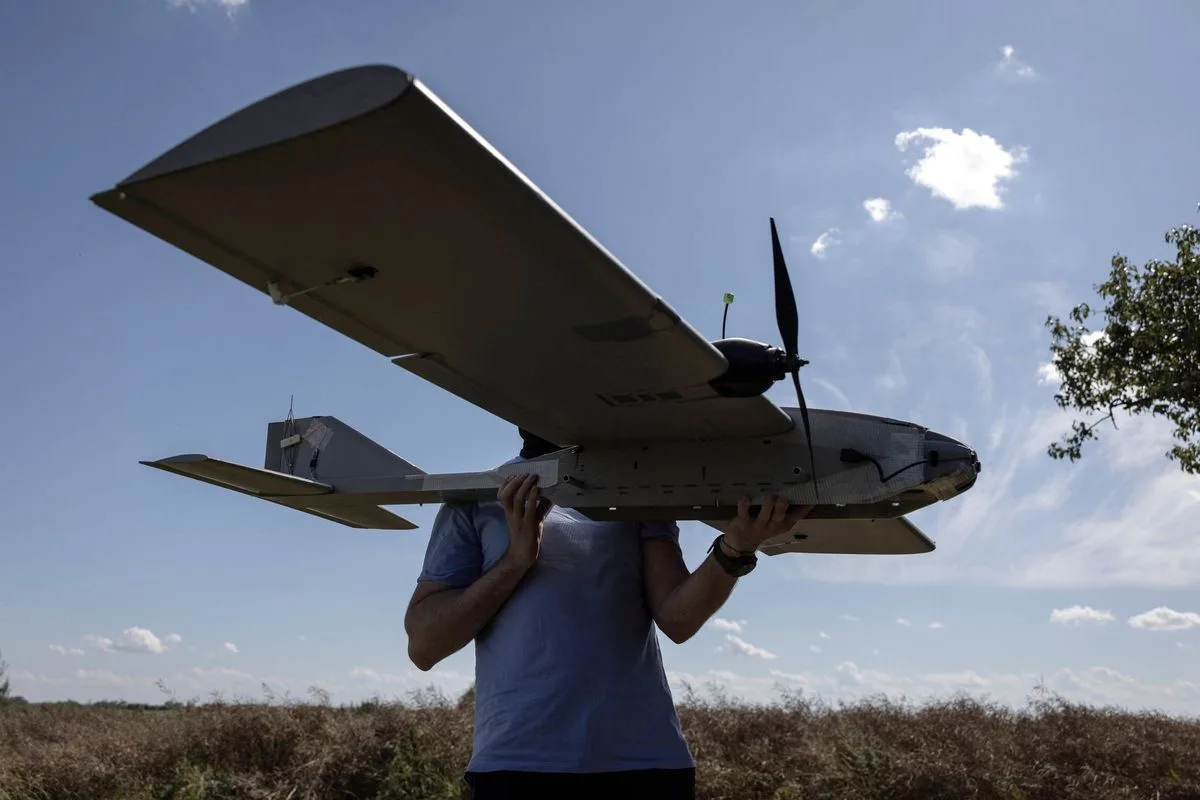
The future of warfare, according to some experts, is rapidly converging on a dystopian vision of autonomous drones battling in the skies and seas. Yaroslav Azhnyuk, a Kyiv-born engineer and co-founder of Petcube, paints a picture of complex drone ecosystems: swarms of autonomous drones carrying other autonomous drones, all vying for dominance under the watchful eye of AI and human commanders.
Azhnyuk's concerns extend beyond aerial combat. He imagines fleets of autonomous submarines appearing off the coasts of major nations, launching waves of drones into the air. This raises a critical question: how can nations defend against such a coordinated and overwhelming attack?
While these scenarios might seem like science fiction, the ongoing conflict in Ukraine is already demonstrating the increasing importance of drones in modern warfare. Both sides are employing unmanned aerial vehicles for reconnaissance, attack, and electronic warfare. The scale and sophistication of these operations are only expected to grow, potentially leading to the kind of autonomous drone swarms Azhnyuk describes.
The implications of this shift are profound. Traditional military strategies and defense systems may prove inadequate against highly agile and autonomous drone attacks. The development of effective countermeasures, including advanced detection systems and counter-drone technologies, is becoming increasingly urgent.
Furthermore, the ethical considerations surrounding autonomous weapons systems are coming to the forefront. The potential for unintended consequences and the lack of human oversight raise serious concerns about accountability and the rules of engagement. As AI plays a larger role in controlling these weapons, the risk of escalation and miscalculation increases.
The conflict in Ukraine serves as a stark warning and a catalyst for innovation in drone warfare. It highlights the need for proactive research and development in defense technologies, as well as a comprehensive ethical framework to govern the use of autonomous weapons. The future of warfare is rapidly changing, and the world must be prepared for the challenges and opportunities that lie ahead. The question is not if these advancements will occur, but when and how they will be responsibly integrated into military strategy.